
Attention & agency7 min read
Time Management vs Attention Management: What’s the Difference?
Understand time management vs attention management: how schedules, competing demands and task clarity shape the work in front of you.

unscatter blog
Explore unscatter’s writing on attention, focus, overwhelm and everyday choices. Browse everything or choose a topic.
Research-informed ideas for a little more clarity in everyday life.
Understand time management vs attention management: how schedules, competing demands and task clarity shape the work in front of you.

Learn how to focus at work by clarifying one task, reducing avoidable interruptions and making a workable plan for returning after a switch.

Feeling overwhelmed can reflect competing demands, uncertainty and too little support. Learn to notice the pressure and choose what could change.

Understand digital distractions, notifications and attention residue, and how working conditions shape your ability to protect your attention.

What does human agency mean? Explore intentional action, everyday choices, shared constraints and the role of technology and attention.

Explore digital wellbeing through online habits, screen time, checking, connectivity and human judgement, with research and everyday examples.

Understand task initiation and task paralysis, and find a clearer way to start a chosen task through specific first actions and realistic support.

Explore context switching, attention residue and the effort of resuming work. Learn how clearer stopping points can support a return to a task.
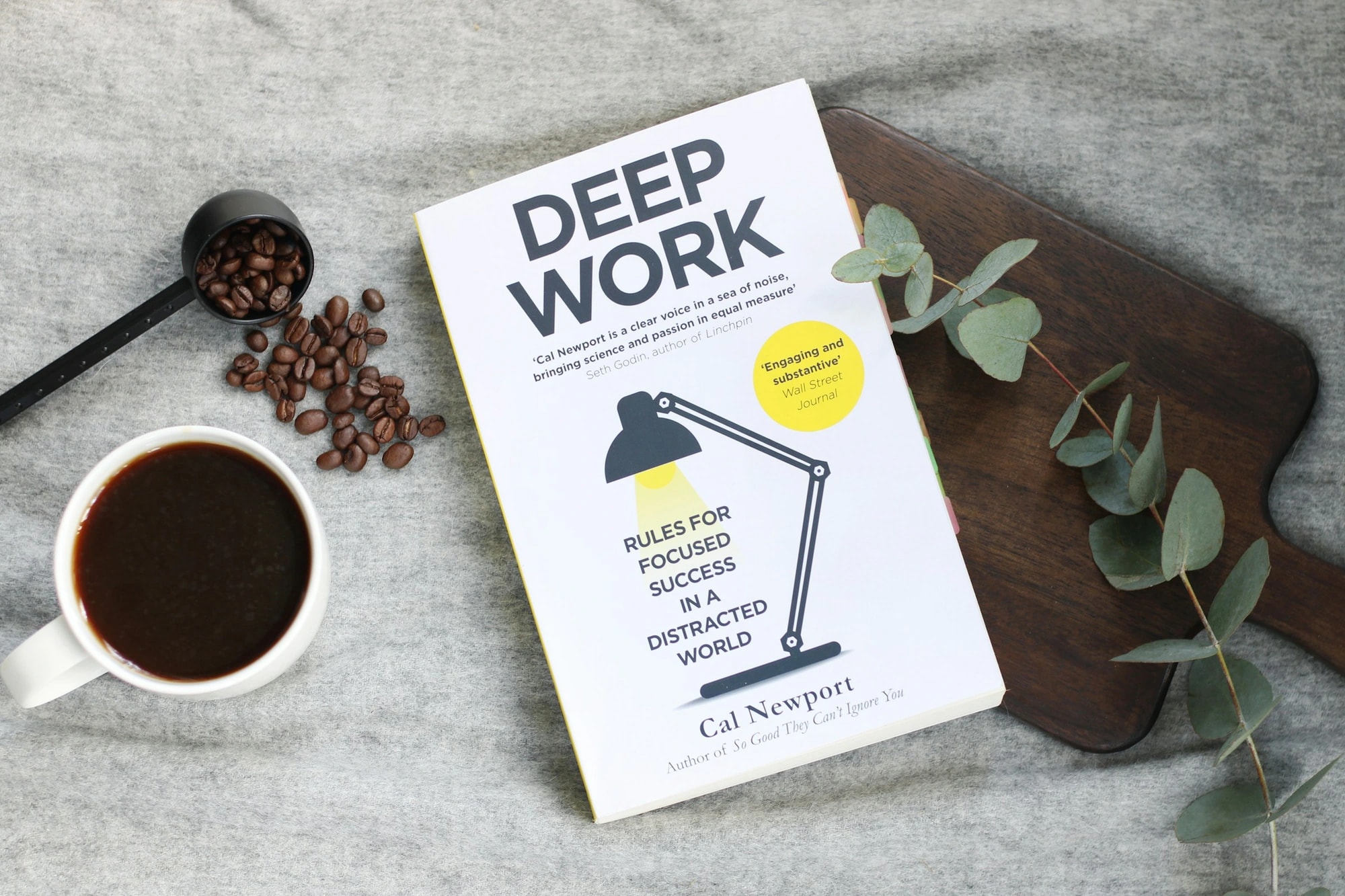
Make deep work more realistic in an interrupted day. Explore protected single-task time, task choice, breaks and workable response expectations.

Explore stress management at work through workload, control, role clarity and support, with practical ways to discuss demands and realistic priorities.

Understand the mental load of anticipating, organising and monitoring everyday responsibilities, and explore ways to make ownership and support visible.

Understand mental fatigue and how sustained effort can feel. Explore breaks, realistic task demands and when persistent tiredness needs medical advice.

Understand cognitive overload with everyday examples. Learn how information demands, working memory and task design differ from stress or low motivation.

Reduce cognitive load through clearer instructions, visible next steps and fewer unnecessary information demands, with examples grounded in learning science.

Explore mental clutter and unfinished tasks. Learn how a brain dump can become a specific plan, with limits to what the research can tell us.

What is cognitive offloading? Explore how notes, reminders and other external supports help with tasks, and where reliability and judgement still matter.

Learn how to plan your day around real commitments, capacity and uncertain estimates. Build a realistic daily schedule with space to adapt.

Learn how to prioritise tasks by looking at consequences, deadlines, dependencies and capacity, with a practical worked example and research context.

Try time blocking with realistic windows, interruption plans and room for adjustment. See a sample schedule and what research does and does not support.

Use weekly planning to review commitments, clarify priorities and make room for uncertainty. Follow a practical weekly review with research-informed examples.

Make a little more room for a chosen activity by noticing optional inputs, unresolved tasks and the expectations around being reachable.

Try an optional five-minute writing exercise to capture reminders and choose one concrete next step, with clear limits to the evidence for ADHD.

Understand why dopamine research does not establish a dopamine reset from avoiding everyday activities, and consider more specific boundaries for digital habits.