THE CRITIQUES OF SPEED
Subtraction as a Cognitive Weapon.
We live in an era of continuous partial attention. It is not simply that our schedules are congested; our neurology is actively being modified to expect near-constant micro-stimulus. The “too many tabs open” phenomenon is not a personal failure of productivity. It is the natural alignment of hardware seeking safety through options.
Modern design frames software as a slot machine: pull to update, bubble counters, red dots, variable animations. The threshold for deep, slow-rate cognitive weaving has been lowered to near-zero.
“The ultimate luxury in the hyper-connected digital age is not access to more variables—it is the space and freedom to know what to ignore.”
At unscatter, we do not believe in productivity optimisation. We believe in visual quiet: soft parchment backgrounds, comfortable large type, and functional tools that help you close background loops and offload temporary anxiety.
Drag the dotted line left to reveal Less, Is, More. You can also use the arrow keys, Home and End.
THE RORSCHACH-INSPIRED GAME
Notice what takes shape. Reflect on where your attention goes.
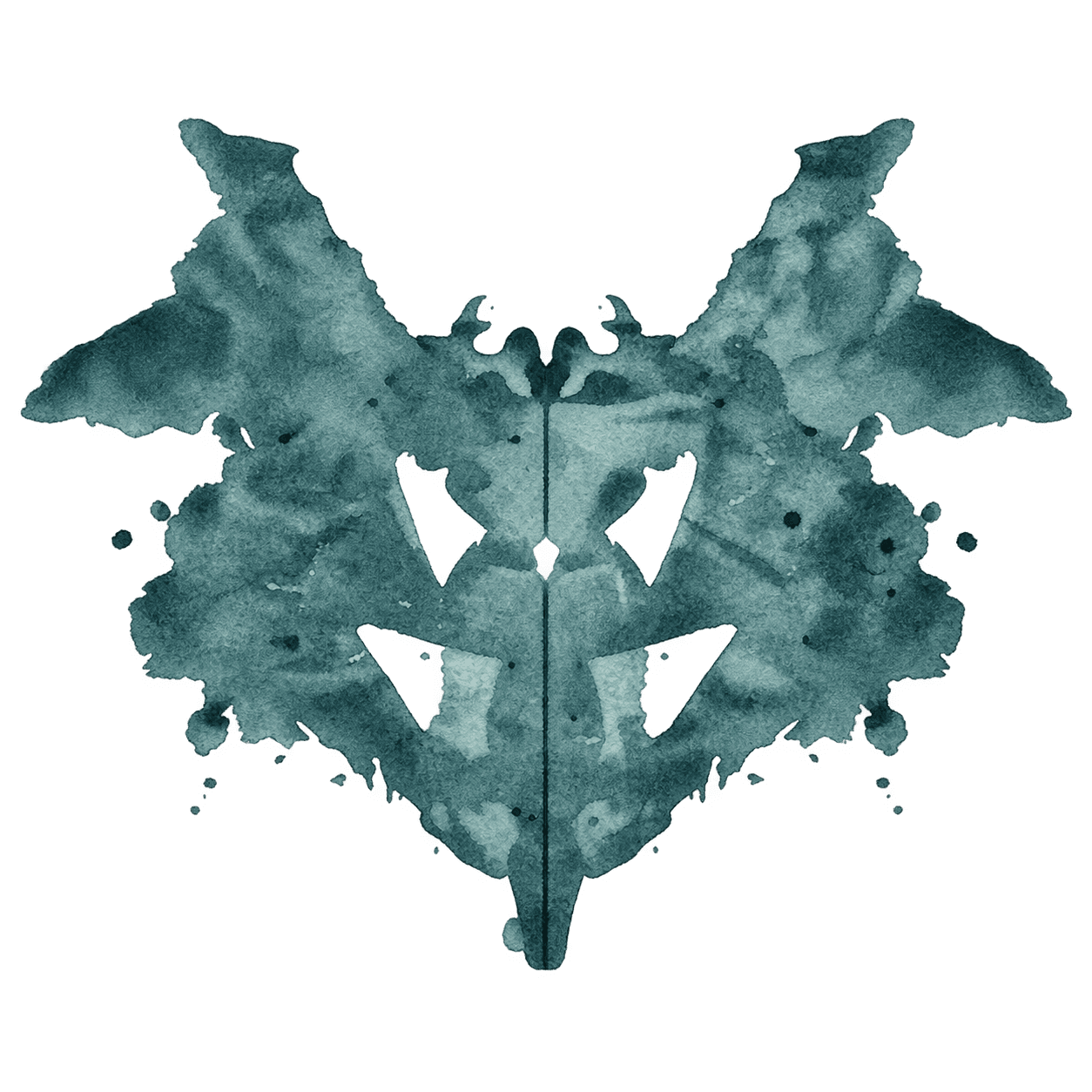
Rorschach-style symmetry inspired the unscatter brain logo: a mirrored shape that holds balance without insisting on a single interpretation. Like an ambiguous inkblot, it leaves room for personal associations—different people may notice different forms, memories or ideas.
“We see the world as we are” is a philosophical invitation to notice how experience, expectations and attention shape interpretation. This game is not a psychological test and does not scientifically reveal your mental state.

What you notice in the shape you create may reflect where your attention is drawn.
✦ Click or drag your cursor symmetrically over the canvas to create your own meditative Rorschach-like pattern.
There is no correct shape. Let your attention drift, tracing the symmetry. This drawing interaction is private and non-recorded.