
A STEADY RESET
Box Breathing
A four-part breathing exercise to help you slow down and make space.
- Breathe out gently.
- Inhale through your nose for four counts.
- Follow the cube for five cycles.
Stop if you feel uncomfortable.
A STEADY RESET
A four-part breathing exercise to help you slow down and make space.
Stop if you feel uncomfortable.
UNDERSTAND THE PRACTICE
Box breathing gives your breath a simple rhythm: breathe in, pause, breathe out, pause. The exercise above uses a four-second count for each phase. You can follow the cube, pause it or stop whenever you choose.
This guide explains the technique, why people use it and what the research supports. A breathing pause can be one response to pressure. Afterwards, the situation may still need a clearer priority, more time or support.
Box breathing, sometimes called square breathing, divides a breathing cycle into four equal phases. Imagine following the four sides of a square. The pauses happen after inhaling and after exhaling.
With four seconds per phase, one cycle takes sixteen seconds. The cube provides that timing so you do not have to keep counting. Breathing comfortably matters more than matching the animation. There is no need to take the largest possible breath or to empty your lungs forcefully.
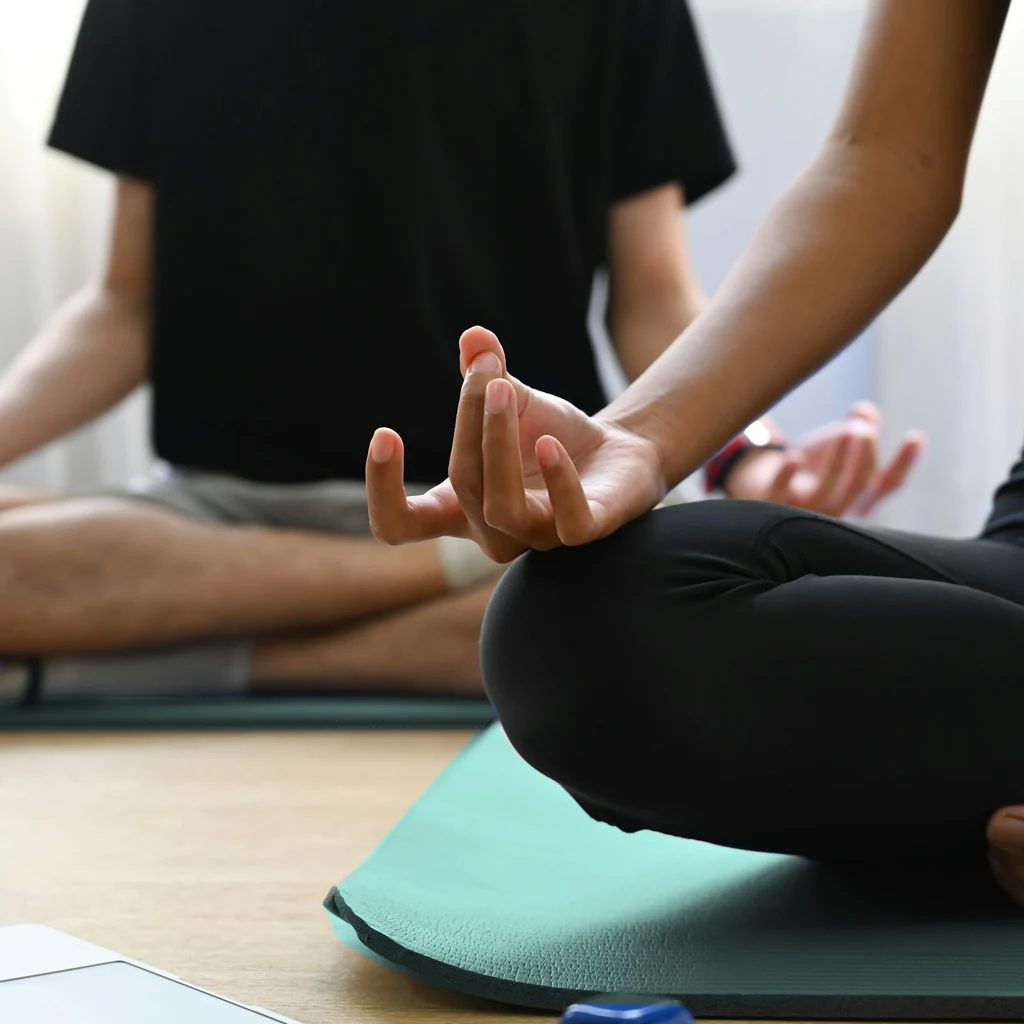
Sit in a supported position and let your shoulders settle. Notice a few ordinary breaths before selecting Start breathing. Follow only while the pace feels comfortable.
| Phase | The cube's count | What to do |
|---|---|---|
| Inhale | Four seconds | Let the breath come in gently |
| Hold | Four seconds | Pause without straining |
| Exhale | Four seconds | Let the breath leave steadily |
| Hold | Four seconds | Pause gently before the next inhale |
Try a cycle, then decide whether to continue. Use Pause to stop the guide or Start again to return it to the beginning. The exercise is available without an account and has no completion score.
If four-second holds feel uncomfortable, stop following the cube. You can choose a shorter count on your own or breathe slowly without holds. NHS breathing guidance recommends a comfortable position and gentle, regular breathing without forcing the breath.
Breathing is connected with heart rhythm and the systems that regulate arousal. Deliberately changing its pace can influence how the body responds during a pause. A systematic review of slow breathing research describes changes in cardiorespiratory measures alongside reports of relaxation, while highlighting differences between techniques and studies.
Counting also gives the exercise a clear task: follow this breath, then the next phase. You may find that structure useful when several thoughts are competing. It need not produce a particular feeling. Describing breathing as a switch that resets the whole nervous system would go beyond the evidence.
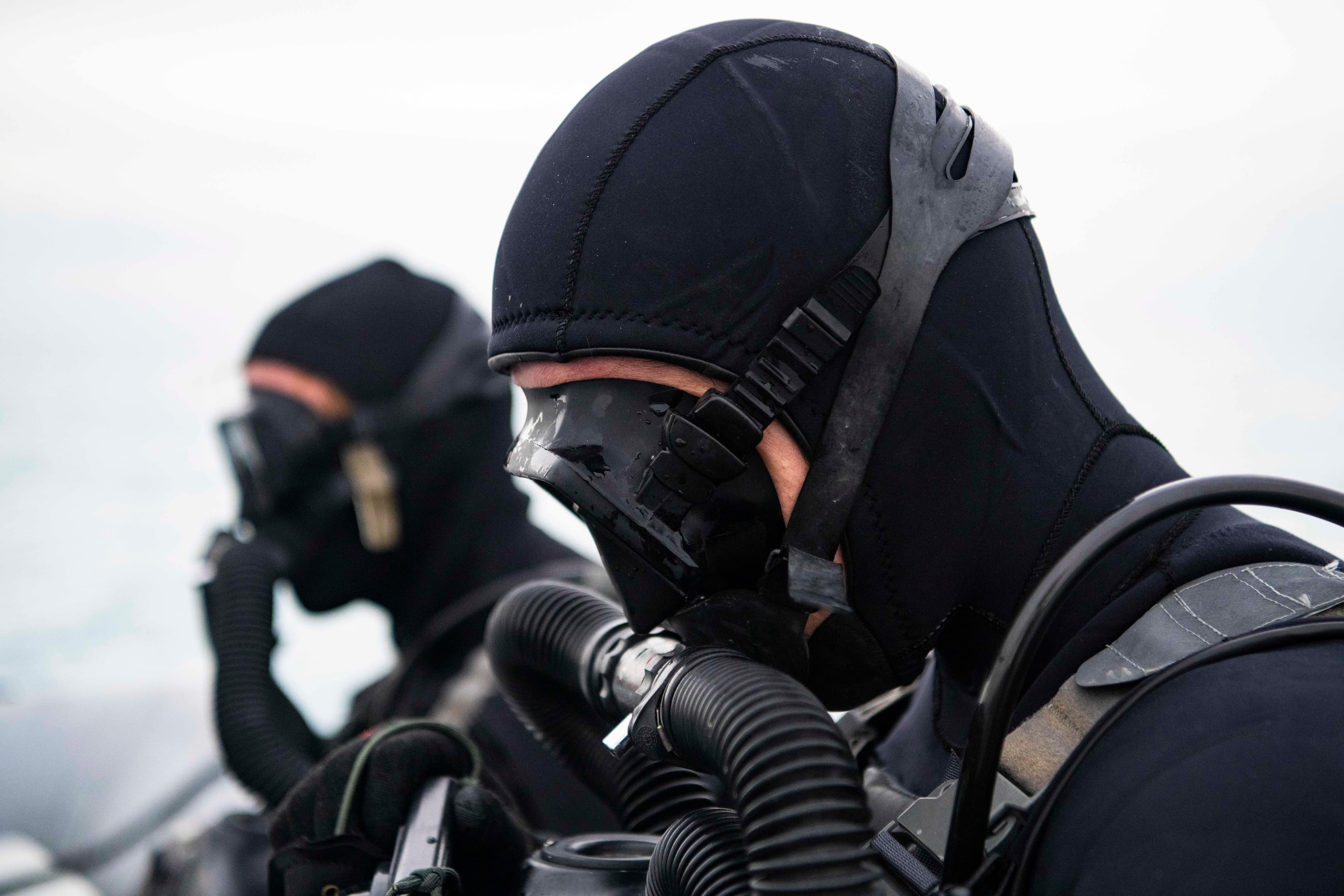
You may have come across box breathing through its connection with Navy SEALs. In a 2016 article for TIME, retired Navy SEAL Mark Divine described using the practice to slow his breathing and focus his attention—not only in demanding situations, but as part of his everyday routine.
Breathing exercises also feature in military stress-management guidance. The U.S. Navy and Marine Corps Public Health Center’s combat tactical breathing handout describes their use by military personnel, first responders and athletes to manage stress and focus attention.
The names can be confusing, because the instructions are not always identical. The Navy handout lists three stages: breathe in, hold and breathe out. The cube above includes another pause after breathing out, creating the four-part rhythm used here.
Research suggests that different breathing patterns may have different strengths. In a laboratory study of 30 healthy adults, tactical breathing was associated with a lower physical stress response than breathing with a longer exhalation. The longer-exhalation technique, however, led to better task performance, with no statistically significant difference in how participants reported feeling. These findings come from a laboratory—not a test of performance in combat.
The military connection offers context, rather than a reason to treat this exercise as a test of composure. You do not need to be facing an extreme situation to make room for a pause. Before a meeting, a difficult conversation or simply the next part of your day, you can try the rhythm gently and notice whether it feels useful. There is no particular feeling you have to achieve.
A 2023 randomised study by Melis Yilmaz Balban and colleagues compared five minutes of daily breathing practice with mindfulness meditation over approximately one month. One group practised box breathing. Participants reported short-term improvements in mood and state anxiety after practice, but the strongest comparative results favoured exhale-focused cyclic sighing. The box-breathing subgroup was small and the study was conducted remotely.
A separate meta-analysis of breathwork trials found a small-to-medium average benefit for self-reported stress across twelve trials involving 785 adults. Most studies raised concerns about risk of bias, and the techniques varied.
Together, these findings support further research and a cautious practical trial if comfortable. They do not establish a universally best count, guarantee immediate calm or show that box breathing treats an anxiety disorder. Findings about breathwork generally cannot all be attributed to four equal phases.
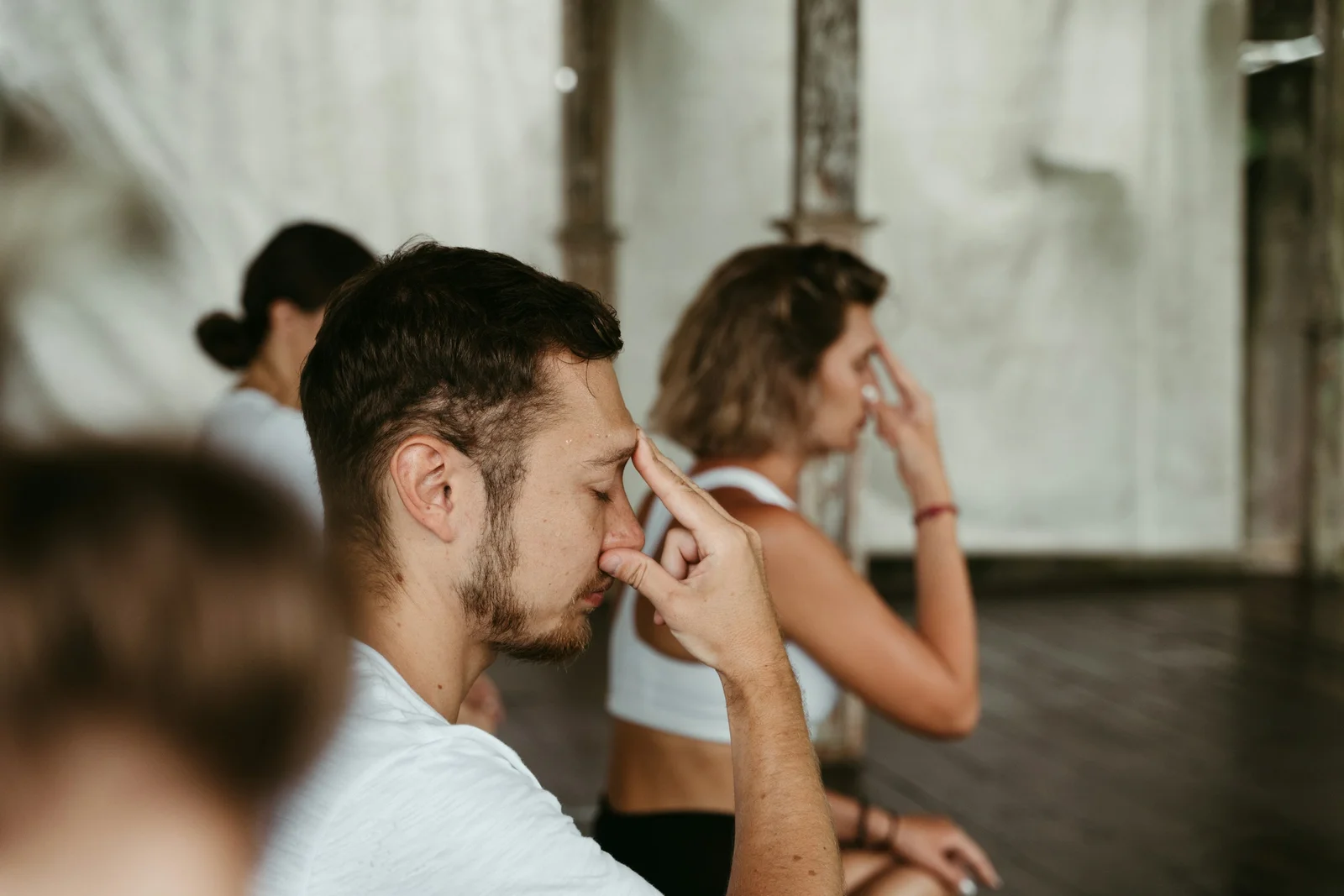
Breathing exercises vary in timing, attention and movement. Box breathing uses an equal rhythm with two pauses. Gentle continuous breathing has no deliberate holds. Alternate-nostril breathing involves changing which nostril is used.
The photograph below shows alternate-nostril breathing, a different practice. You do not need to close either nostril to follow the box breathing cube. Choose the approach that feels suitable rather than assuming a more complicated technique will be more effective.
You might try a pause before opening a difficult message, between meetings or after noticing that you are rushing. Choose a place where you can stop comfortably. Let the exercise be a short interruption in the day, then consider what the situation needs.
For example, after a demanding call, you might pause before deciding whether the next request is urgent. If the workload still exceeds the time available, prioritising tasks or discussing a deadline may be the useful next step. The guide to stress management at work looks at those wider conditions.
Stop if you feel dizzy, breathless or more distressed, and return to ordinary breathing. If a health condition affects your breathing, ask a clinician which practice is suitable. NCCIH's evidence overview notes that relaxation practices can occasionally produce uncomfortable experiences or increased anxiety.
You can also leave breathing alone and notice your surroundings, rest or ask for support. If feeling overwhelmed continues, a repeated breathing exercise does not need to be your only response.
That is the rhythm used by this cube. Comfort takes priority. If the timing does not suit you, pause and use a gentler rhythm independently.
Begin with what feels manageable and reassess. The five-minute research protocol does not establish a minimum session that everyone must complete.
You have not failed the exercise. Stop, change the approach or choose a different response to the pressure. The stress and overwhelm guides offer other starting points.