
Laboratory development
Attention and agency
Experimental psychology
Experimental research begins in Wundt’s Leipzig laboratory
★ Key milestone
Wilhelm Wundt’s Leipzig laboratory helps establish systematic experimental study of mental processes.
AN INTERACTIVE HISTORY
From early psychology to AI, explore the ideas and tools behind how we focus, find meaning and make choices.
Reading the connections
Cognitive psychology is unscatter’s primary scientific reference: the study of mental processes such as attention, memory and thinking. Cognitive ergonomics and human–computer interaction (HCI) connect that research with the design of tools, tasks and interfaces.
These tracks are interconnected histories, rather than competing measures of progress. Cognitive science already includes both psychology and AI. Technology can create new capabilities and introduce new demands; its effects depend on the design, the task and the person.
Language, meaning and motivation add a third perspective: how people describe experience, form goals and understand what matters to them.
Follow the threads
Three connected histories. Select a milestone to explore it, or follow a connection between the histories.
Drag the graph, or scroll or swipe right. Select a milestone to explore it. Key milestone
Dates mark selected milestones, not the origins of whole disciplines. Spacing groups ideas for reading and is not proportional to elapsed time. Lines indicate sequence only. Image credits
1870–1950
Experimental psychology develops alongside behavioural, Gestalt and developmental approaches. Formal computation, information theory and cybernetics emerge as language, meaning and human needs are studied through distinct traditions.
Attention and agency
Experimental research begins in Wundt’s Leipzig laboratory
Wilhelm Wundt’s Leipzig laboratory helps establish systematic experimental study of mental processes.
Attention and agency
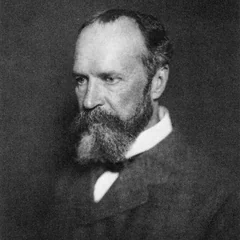
William James, The Principles of Psychology
William James describes how attending to something means selecting it from other possible experiences.
Language, meaning and motivation
Hermann Rorschach, Psychodiagnostik
Psychodiagnostik introduced an inkblot-based assessment using ten plates and people’s interpretations of ambiguous forms.
Language, meaning and motivation
Ludwig Wittgenstein, Tractatus Logico-Philosophicus
Ludwig Wittgenstein examines how language can represent the world within a philosophical account of logic.
Attention and agency
Stroop’s color–word interference experiments
J. Ridley Stroop finds that conflicting written colour names interfere with naming the ink colour.
Technology and AI
Turing’s model of a general computing machine
Alan Turing formalises calculation through a machine operating on symbols and examines limits on what can be computed.
Language, meaning and motivation
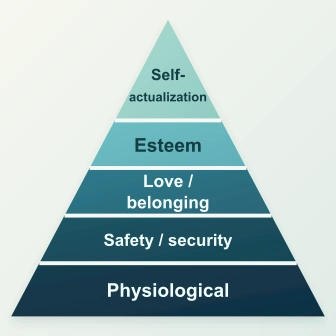
Abraham Maslow, A Theory of Human Motivation
Abraham Maslow proposes an account of human motivation organized around basic needs.
Technology and AI
McCulloch and Pitts’ logical model of neural networks
McCulloch and Pitts use simplified all-or-none units and propositional logic to model networks of neural activity.
Language, meaning and motivation
Viktor Frankl’s memoir and account of meaning
Viktor Frankl reflects on imprisonment, human response and the search for meaning.
Technology and AI
Norbert Wiener’s study of feedback, control and communication
Norbert Wiener brings feedback and communication into a shared study of control in animals and machines.
Technology and AI
Claude Shannon, A Mathematical Theory of Communication
Claude Shannon develops a mathematical account of information, noise and the capacity of communication channels.
1950–1970
Information-processing models of attention and memory gain influence alongside early AI and interactive computing. Generative grammar, language in use, media and human motivation broaden the questions being explored.
Language, meaning and motivation
Philosophical Investigations
Ludwig Wittgenstein examines language through its uses in shared activities and varied contexts.
Technology and AI
AI research proposal and Dartmouth summer meeting
A proposal by McCarthy, Minsky, Rochester and Shannon names artificial intelligence; the following summer’s Dartmouth project helps establish a research community.
Attention and agency
George Miller, The Magical Number Seven, Plus or Minus Two
George Miller examines limits in particular judgement and immediate-memory tasks, and the role of grouping information.
Language, meaning and motivation
Noam Chomsky, Syntactic Structures
Noam Chomsky models language through rules that generate grammatical sentence structures.
Attention and agency
Broadbent’s filter model, with later attenuation research
Donald Broadbent’s Perception and Communication develops an information-processing account of selective attention.
Technology and AI
J. C. R. Licklider, Man-Computer Symbiosis
J. C. R. Licklider proposes close cooperation between people and computers in Man-Computer Symbiosis.
Language, meaning and motivation
Austin’s How to Do Things with Words
J. L. Austin examines how speaking can perform acts such as promising, requesting and warning.
Technology and AI
Augmentation framework and NLS demonstration
Douglas Engelbart links people, methods, language and tools in an augmentation framework, later demonstrated through NLS.
Language, meaning and motivation
Marshall McLuhan, Understanding Media: The Extensions of Man
Marshall McLuhan argues that the form of a medium changes perception and social life alongside its content.
Technology and AI
E. A. Johnson’s published touch-display research
E. A. Johnson describes a capacitive touch display as an input/output device for computers.
Technology and AI
Weizenbaum’s ELIZA paper
ELIZA uses keyword-triggered decomposition and reassembly rules to produce certain kinds of typed conversation.
Attention and agency
Ulric Neisser’s synthesis of perception, attention and memory
Ulric Neisser brings perception, attention and memory together in an influential account of mental processing.
1970–1990
Working memory, metacognition and cognitive load become design concerns as personal computing and interactive tools develop. Research on language, goals and psychological needs continues alongside these changes.
Attention and agency
Herbert Simon’s design argument about information-rich organisations
Herbert Simon argues that information systems should consider the attention required from their recipients.
Language, meaning and motivation
Deci’s experiments on externally mediated rewards
Edward Deci studies how different external rewards affect people’s interest in activities they already find engaging.
Attention and agency
Baddeley and Hitch’s model; later episodic-buffer refinement
Alan Baddeley and Graham Hitch develop an account of working memory: temporarily holding and using information.
Attention and agency
Tversky and Kahneman’s heuristics-and-biases synthesis
Amos Tversky and Daniel Kahneman describe how useful judgement shortcuts can also produce systematic errors.
Attention and agency
John Flavell’s synthesis of metacognition and cognitive monitoring
John Flavell sets out a framework for metacognition: knowledge and monitoring of one’s own thinking.
Technology and AI
Card, Moran and Newell, The Psychology of Human-Computer Interaction
Card, Moran and Newell apply information-processing psychology to people using interactive computer systems.
Where the histories meet Research application
Information-processing psychology becomes a practical tool for analysing interaction.
Technology and AI
Lisanne Bainbridge, Ironies of Automation
Lisanne Bainbridge examines how automating routine work can leave people with demanding oversight and exception handling.
Language, meaning and motivation
Deci and Ryan’s Intrinsic Motivation and Self-Determination in Human Behavior
Edward Deci and Richard Ryan develop self-determination theory, linking motivation with psychological needs and social conditions.
Technology and AI
Rumelhart, Hinton and Williams’ backpropagation paper
David Rumelhart, Geoffrey Hinton and Ronald Williams show how neural networks can learn internal representations by propagating errors backwards.
Attention and agency
John Sweller’s problem-solving and learning research
John Sweller investigates how some problem-solving demands can compete with the processes needed to learn.
Technology and AI
World Wide Web proposal, implementation and open release
The Web develops at CERN from a 1989 information-management proposal into working software and a 1993 public-domain release.
1990–2010
The Web, platforms and smartphones expand connected everyday life while research examines agency, interruptions and goal pursuit. Flow, psychological needs and meaning in life offer complementary perspectives on experience.
Language, meaning and motivation
Csikszentmihalyi’s synthesis of research on optimal experience
Mihaly Csikszentmihalyi describes flow as deep involvement in an activity that is rewarding in itself.
Attention and agency
Gollwitzer’s implementation-intentions synthesis
Peter Gollwitzer describes plans that link a specified situation to a goal-directed action.
Attention and agency
Albert Bandura’s agentic perspective in social cognitive theory
Albert Bandura describes agency through intentions, forethought, self-regulation and reflection, within social conditions.
Where the histories meet unscatter interpretation
Augmentation and agency offer complementary questions about what a tool helps a person do.
Technology and AI
Facebook’s News Feed feature launch
Facebook introduces News Feed, bringing friends’ activity into a stream on the home page.
Where the histories meet unscatter interpretation
A social feed and an account of agency bring the intentions behind an interaction into view.
Technology and AI
Smartphone interfaces, apps and measured US adoption
Smartphone touch interfaces, an app marketplace and growing ownership form a changing mobile ecosystem.
Attention and agency
Workplace observation and a later controlled interruption study
Gloria Mark, Daniela Gudith and Ulrich Klocke study how interruptions affect work speed and experienced demands.
Attention and agency
Sophie Leroy’s experiments on switching between work tasks
Sophie Leroy studies attention residue: thoughts about one task persisting after a switch to another.
2010–2026
Deep learning, generative systems and agents renew questions about cognitive effort, human control, language understanding, meaning and motivation. Emerging research remains distinct from established historical landmarks.
Technology and AI
Krizhevsky, Sutskever and Hinton’s ImageNet research
Alex Krizhevsky, Ilya Sutskever and Geoffrey Hinton train a deep network for large-scale ImageNet classification.
Technology and AI
Covington, Adams and Sargin’s YouTube system paper
YouTube researchers describe deep neural networks for selecting candidate videos and ranking recommendations.
Where the histories meet unscatter interpretation
Opening access and ranking what is available address different sides of information abundance.
Language, meaning and motivation
Martela and Steger distinguish coherence, purpose and significance
Frank Martela and Michael Steger distinguish making sense of life, having direction and experiencing life as valuable.
Attention and agency
Risko and Gilbert’s integrative review
Evan Risko and Sam Gilbert review how actions and external tools can change a task’s cognitive demands.
Technology and AI
Vaswani and colleagues, Attention Is All You Need
Attention Is All You Need introduces a neural-network architecture built around computational attention mechanisms.
Technology and AI
Google Digital Wellbeing and Apple Screen Time introductions
Google and Apple announce controls for viewing device use, managing notifications and setting application limits.
Technology and AI
Amershi and colleagues’ published interaction guidelines
Amershi and colleagues propose 18 guidelines for human-AI interaction, including feedback, correction and user control.
Where the histories meet Research application
Human-AI interaction extends the design question from completing a task to handling uncertainty and mistakes.
Language, meaning and motivation
Bender and Koller’s position paper; Mahowald and colleagues’ later review
Researchers distinguish success with linguistic form from broader questions about meaning, grounding and language use.
Technology and AI
Conversational and multimodal generative AI
OpenAI’s ChatGPT research preview makes a conversational language-model interface public; later releases add multimodal capabilities.
Where the histories meet unscatter interpretation
Delegating routine work can leave people with the difficult task of checking exceptions.
Technology and AI
ChatGPT agent’s announced integration of conversation and tool use
OpenAI introduces ChatGPT agent, combining research and action through a virtual computer and connected tools.
This timeline brings together three perspectives on attention and human agency. The overview maps broader historical developments; the graph explores selected research, ideas and technologies.
| Period | Attention and agency | Technology and AI | Language, meaning and motivation |
|---|---|---|---|
| Early foundations1870–1950 | Experimental psychology becomes established, with structuralist and functional approaches investigating experience, attention, memory and learning. Behaviourism, Gestalt psychology and developmental approaches later investigate learning, perception and the organisation of mental activity through differing methods. [8] | Formal logic, electromechanical tabulation and electrical communication lay groundwork for information processing. Formal computation, early electronic computers, neural models, information theory and cybernetics establish foundations for computing and AI. [11][3][4] | Historical and comparative linguistics develop alongside semantics, semiotics and philosophical accounts of meaning. Structural linguistics and analytic philosophy gain influence, while cultural-historical, needs-based and existential approaches explore human experience. [6][7] |
| The cognitive turn1950–1970 | The cognitive revolution advances information-processing models of attention, memory and reasoning, alongside continuing behavioural and developmental research traditions. [2] | Electronic computing expands as symbolic and neural AI, time-sharing, interactive systems and early touch interfaces develop in research and industry. [4][3] | Generative grammar, psycholinguistics, language-in-use and speech-act approaches expand; humanistic psychology and research on intrinsic motivation gain influence. [6][7] |
| Cognition and interactive tools1970–1990 | Working-memory models, metacognition, cognitive load and social cognitive theory develop, while cognitive neuroscience and alternative accounts of cognition expand. [1] | Personal computing, graphical interfaces and networks spread; expert systems and renewed connectionist learning become influential in computing and AI. [3][4] | Pragmatics, discourse and cognitive linguistics expand; self-efficacy, goal pursuit and self-determination theories develop alongside other approaches to motivation. [6][7] |
| Connected everyday life1990–2010 | Cognitive neuroscience and attention-control research expand; situated and distributed cognition, self-regulation, interruptions and cognitive offloading receive increasing attention. [1] | The Web and open-source software expand networked computing; search, social platforms, smartphones and statistical machine learning gain influence. [5][4] | Usage-based and social approaches complement other linguistic theories; narrative meaning, psychological needs, belonging and meaning-in-life research continue to develop. [6][7] |
| Contemporary AI2010–2026 | Research examines cognition in connected environments and human–AI collaboration, including attention, learning, cognitive effort, reliance and the exercise of control. [1][13] | Deep learning, Transformers and generative AI expand capabilities; recommendation systems, multimodal interfaces and AI agents become prominent in research and deployment. [4][10][12][14] | Language models renew debates about meaning, grounding and understanding, while research on motivation, purpose and social context continues. [9][7] |
The graph is a selection of 51 main milestones. Additional developments, technical releases and recent research remain available here.
Part of the main development: Early artificial intelligence.
The Dartmouth Summer Research Project brings researchers together to investigate machine intelligence.
Dartmouth’s institutional history, The Founding and Future of AI, describes the 1956 gathering as a landmark in the formation of AI as a research field. It follows the 1955 proposal, which had already named artificial intelligence. A research meeting is not a product release or the origin of every idea about intelligent machines.
Why this matters The history of AI includes research programmes and changing aspirations, not just a sequence of consumer products.
Part of the main development: Selective attention.
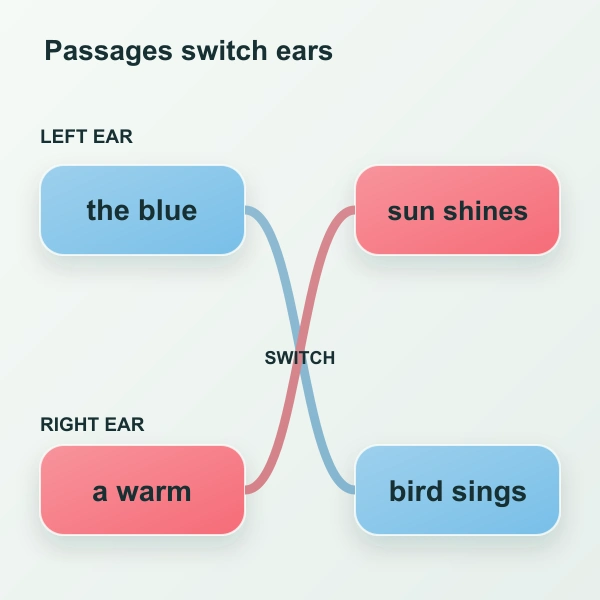
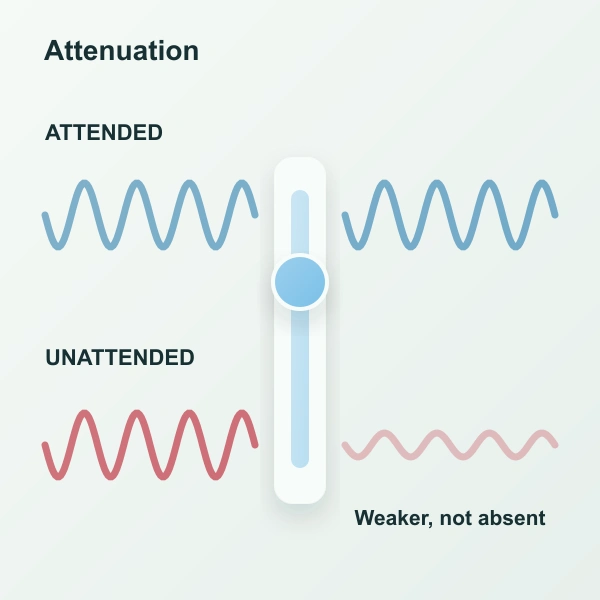
Anne Treisman’s listening experiments suggest that unattended information is weakened rather than completely blocked.
In Contextual Cues in Selective Listening, participants followed speech presented to one ear while passages switched between ears. Their occasional responses to the other message led Treisman to propose a graded account of selection, in which context and signal strength affect what gets through.
Why this matters Selection can vary with a task and its meaning. Attention is more flexible than a simple all-or-nothing switch.
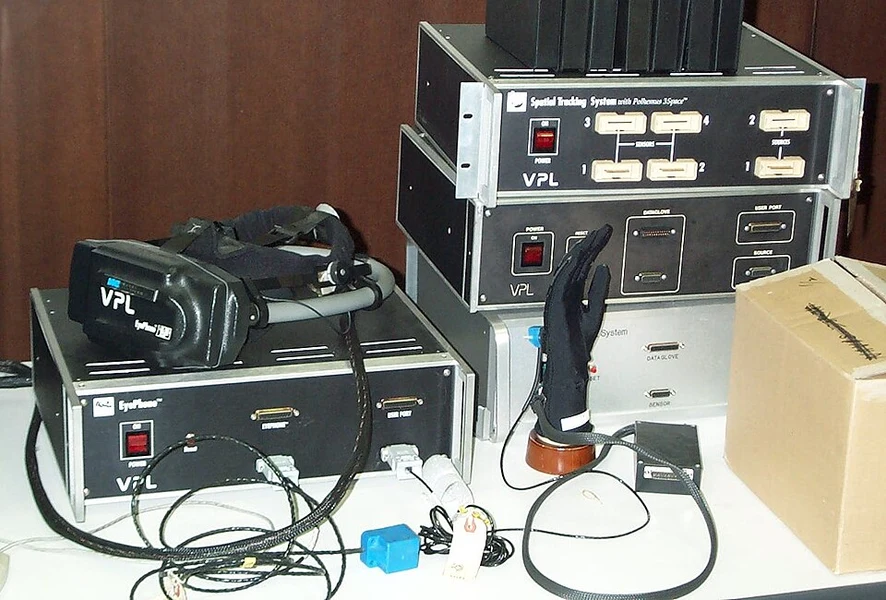
Ivan Sutherland describes a head-mounted display that changes a three-dimensional scene as the observer moves.
A Head-mounted Three Dimensional Display describes a system that combines stereoscopic views with head-position sensing to make a computer-drawn scene respond to the observer. This research establishes an important route toward interactive immersive displays.
Why this matters An interface can shape what surrounds our attention as well as what appears on a flat screen.
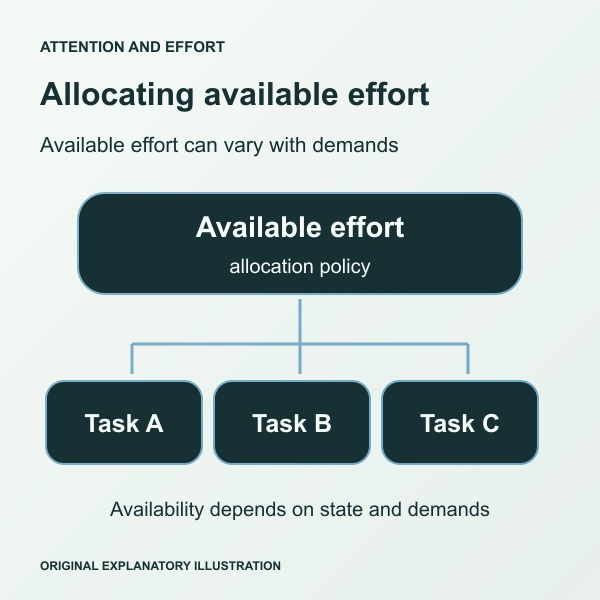
Daniel Kahneman relates attention to the allocation of limited mental effort across tasks.
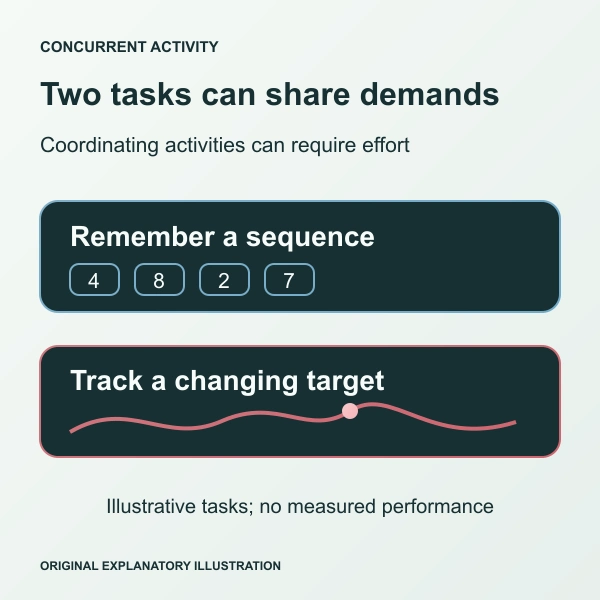
Attention and Effort models attention as processing capacity that can be allocated among activities. Kahneman examines task demands, arousal and interference when activities compete for effort.
Why this matters Consider what a task asks someone to hold, monitor and do at the same time.
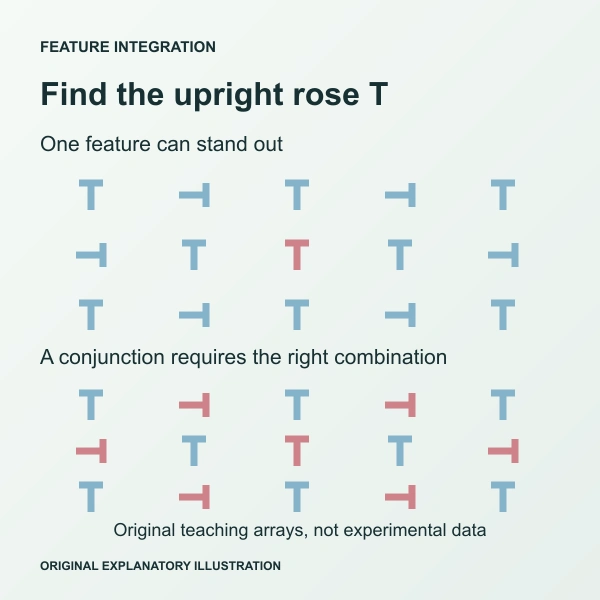
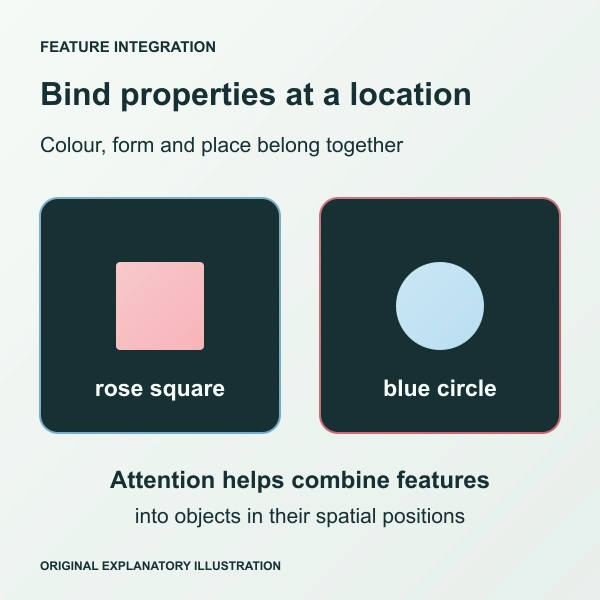
Anne Treisman and Garry Gelade propose that focused attention helps combine visual features into perceived objects.
A Feature-Integration Theory of Attention proposes a role for attention in combining separately processed features. Experiments compare searches for a single feature with searches for a combination, such as a particular colour and shape.
Why this matters Distinct visual features and their combinations can affect how someone locates a target.
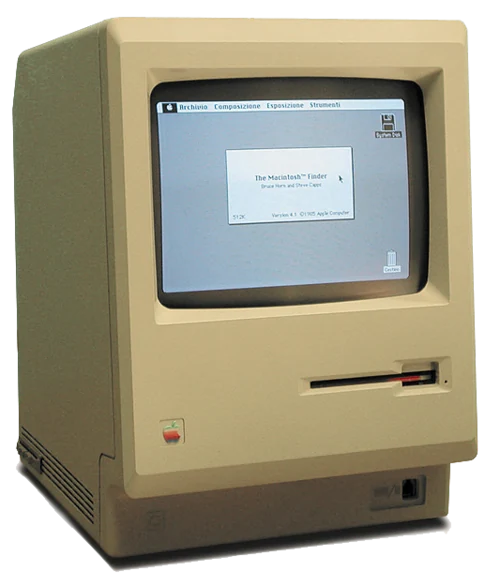
Kare’s icons and typefaces help make the Macintosh’s actions and system states recognizable.
Working on the Macintosh from 1983, Susan Kare translated commands into small bitmap drawings and designed readable screen typefaces. Her work reached users with the Macintosh in 1984 and helped establish familiar visual ways to interact with computers. Her later account appears in Interview with Susan Kare.
Why this matters Small visual choices can help people recognize an action, understand feedback and maintain their place in a task.
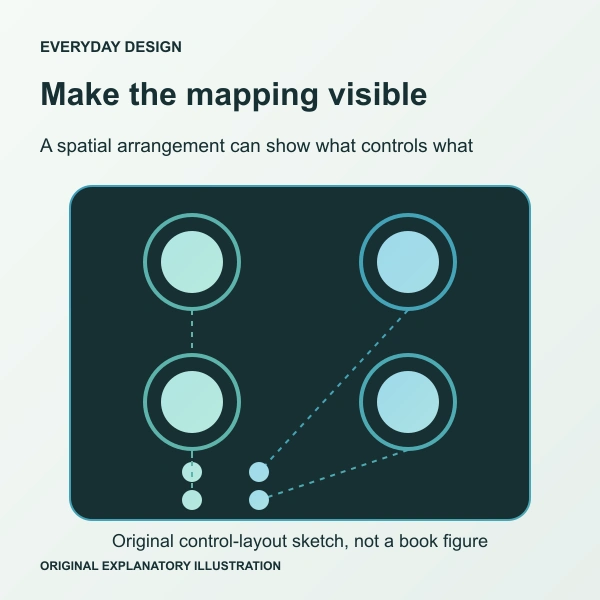
Donald Norman connects the usability of everyday objects with visibility, mappings and feedback.
The Psychology of Everyday Things examines how visible controls, mappings and feedback help people understand everyday objects. Norman uses familiar failures, such as confusing doors and controls, to show how design shapes the ease of an action. Later editions use the title The Design of Everyday Things.
Why this matters Make the next action and its result easy to recognize.
Part of the main development: World Wide Web.
CERN makes its World Wide Web software available in the public domain, supporting wider use and development.
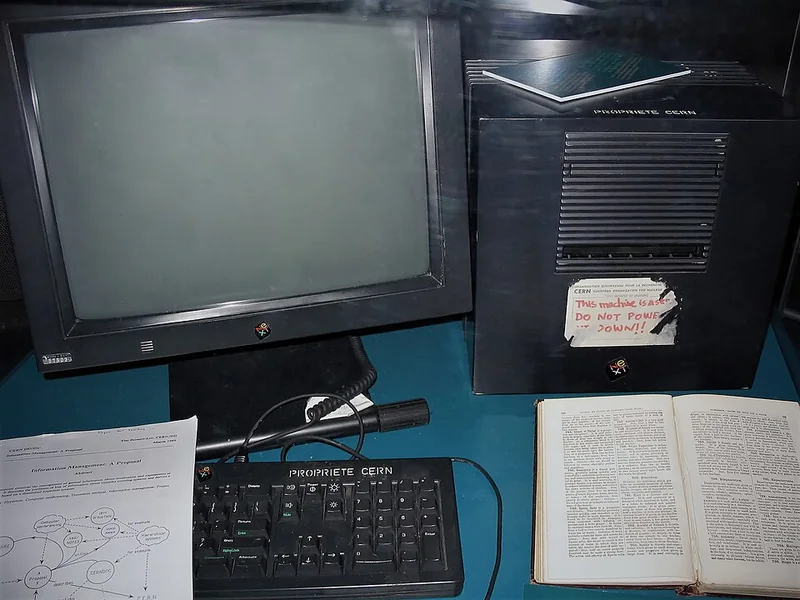

CERN’s release removes a barrier to using and developing its Web software. An open release is an enabling milestone, distinct from the earlier proposal and from later measures of public adoption. CERN documents the release in The birth of the Web.
Why this matters Access and interoperability can expand people’s opportunities to publish, connect and learn.
B. J. Fogg examines interactive technologies intended to influence attitudes or behaviour, including their ethical questions.
Persuasive Computers builds on work presented at CHI in 1997. Fogg considers computers as tools, media and social actors, and asks whose intentions a system carries. The framework does not establish that every persuasive feature is effective, harmful or deceptive.
Why this matters A design can help someone pursue a chosen goal, or serve goals they have not chosen. The distinction deserves attention.
Part of the main development: Working memory.
Alan Baddeley adds an episodic buffer to account for integrating different kinds of information in working memory.
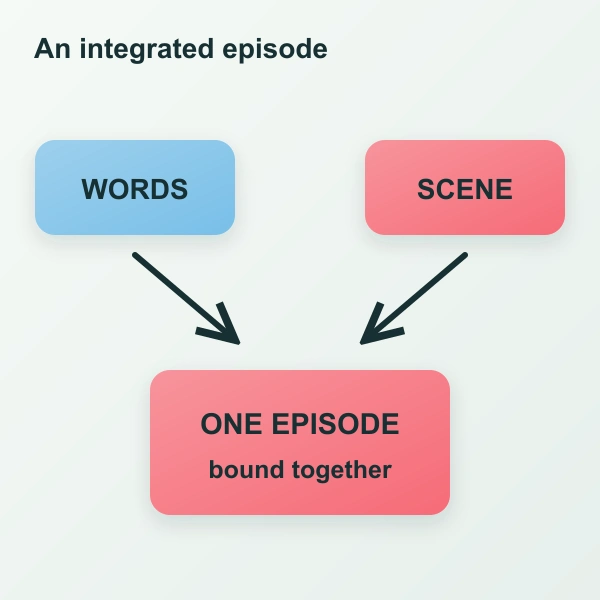

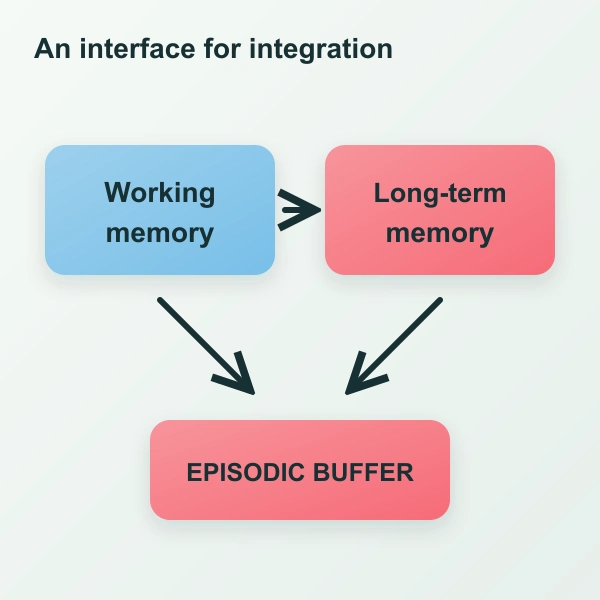
The episodic buffer: a new component of working memory? proposes a limited-capacity temporary store that combines information from verbal and visual systems and long-term memory. The revision gives integration a more explicit place in the working-memory model.
Why this matters Following a task can involve bringing words, images and prior knowledge together.
Thomas Davenport and John Beck examine attention as a scarce resource that organisations seek and allocate.


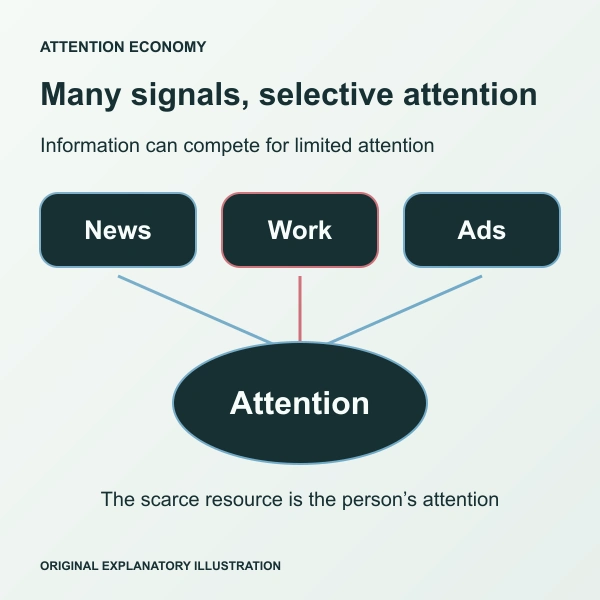
The Attention Economy: Understanding the New Currency of Business examines scarce attention amid abundant information. The authors discuss both capturing other people’s attention and directing attention toward important work.
Why this matters Attention is something organisations compete for and people also need to allocate.
Part of the main development: Interruptions and task switching.
Victor González and Gloria Mark observe information workers switching repeatedly among related projects and activities.

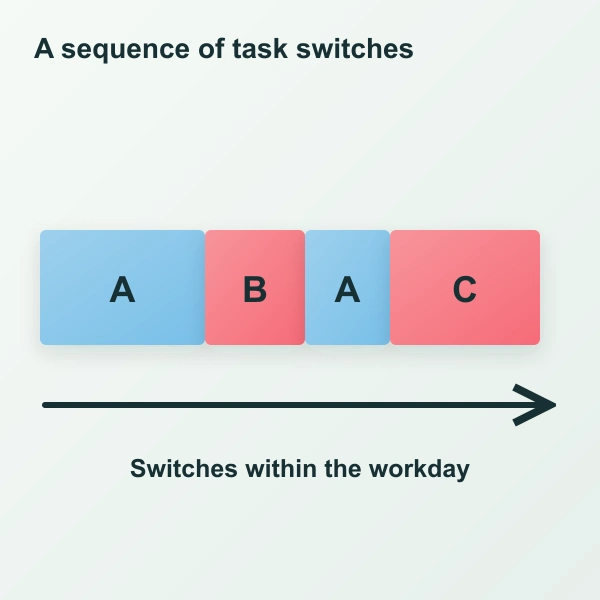
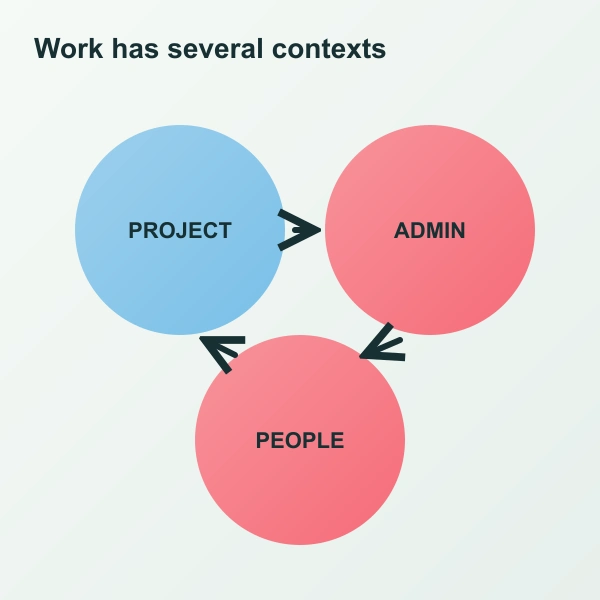
“Constant, Constant, Multi-tasking Craziness”: Managing Multiple Working Spheres reports field observations of analysts, developers and managers. The authors describe working spheres: larger, thematically connected units of work fragmented across tools and shorter activities.
Why this matters A useful workspace can help someone retain the project context while moving between its tasks.
Carol Dweck introduces fixed and growth mindsets to a general readership.
Mindset translates Dweck’s research on beliefs about ability and responses to setbacks into examples from education, work and relationships. It is a popular account of an existing research programme, with applications that depend on the person and setting.
Why this matters Beliefs about improvement can shape how people approach difficult tasks, alongside instruction, resources and social conditions.
Part of the main development: Smartphones and apps.
Apple opens the App Store with 500 apps, giving iPhone users a central place to obtain third-party software.

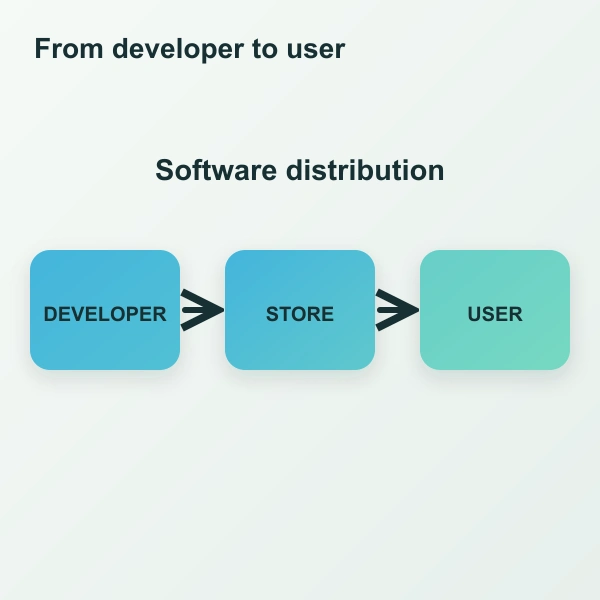
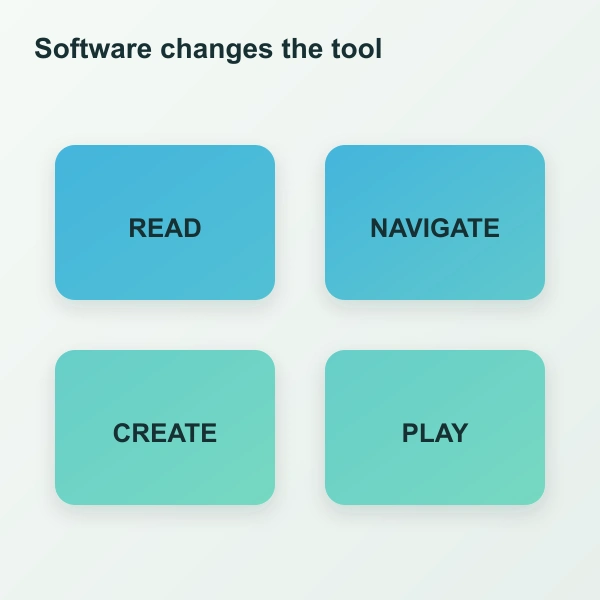
The App Store turns 10, Apple’s later history, dates the launch to 10 July 2008. A shared storefront connects developers with phone users and makes installing additional tools part of everyday device use.
Why this matters A phone becomes a changing collection of tools, each offering new possibilities and demands.
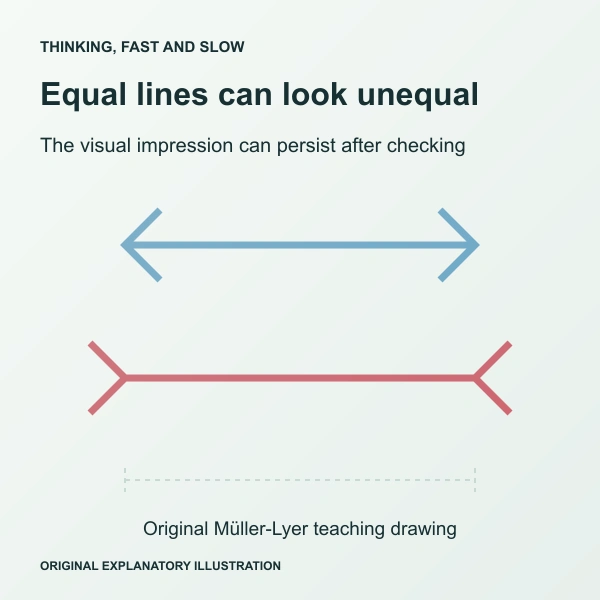
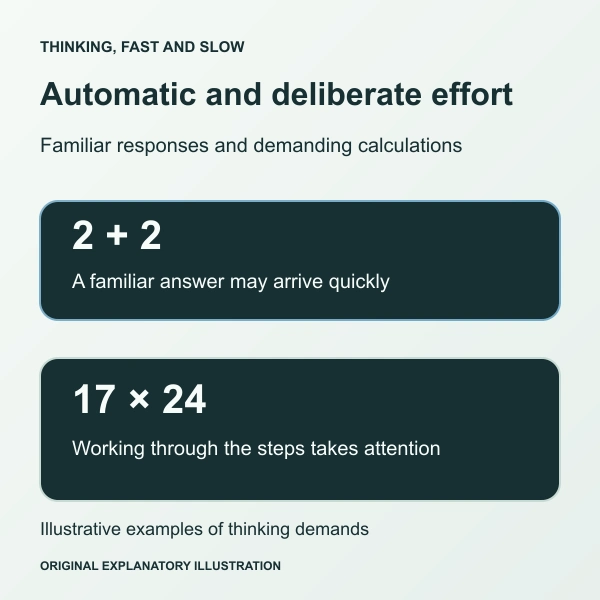
Daniel Kahneman brings research on judgment and choice to a broad audience through a distinction between rapid and effortful thinking.
Thinking, Fast and Slow uses System 1 and System 2 as explanatory shorthand for fast, automatic responses and slower, effortful operations. It examines heuristics and recurring biases in judgment, drawing on Kahneman’s work with Amos Tversky and other researchers.
Why this matters The distinction invites a pause to check assumptions in a difficult decision.
Part of the main development: Smartphones and apps.
Pew reports smartphone ownership among 56% of US adults, based on interviews in April and May 2013.



The survey behind Smartphone Ownership 2013 covered 2,252 adults aged 18 and over, interviewed from 17 April to 19 May 2013. The measure combines self-identification and reported smartphone platform. It is US adult ownership, not worldwide adoption, time spent using phones or a measure of attention.
Why this matters A launch date tells us when a product appeared. Adoption research tells a different story about who has access.
Dzmitry Bahdanau, Kyunghyun Cho and Yoshua Bengio introduce a translation model that learns to align input and output words.

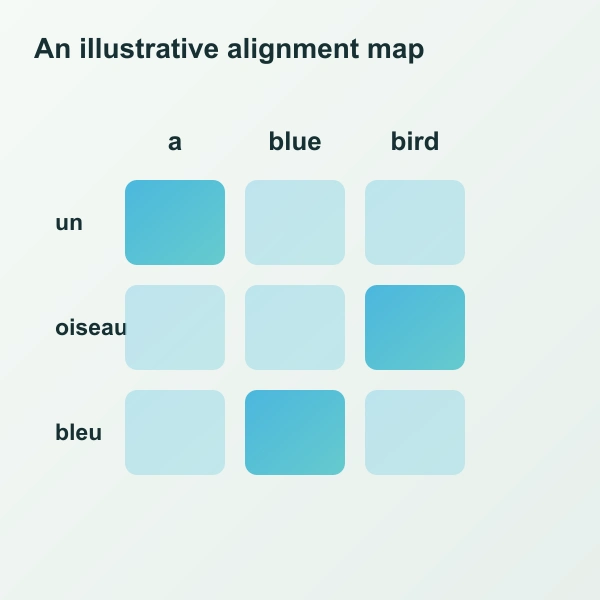
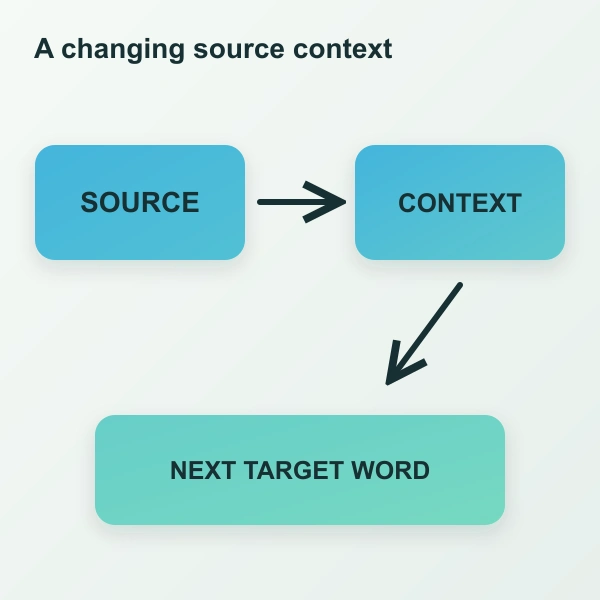
Neural Machine Translation by Jointly Learning to Align and Translate lets a model weight relevant parts of an input sentence while producing a translation. This computational attention mechanism reduces reliance on a single fixed-length representation of the whole input.
Why this matters An attention mechanism selects information within a computation; it does not by itself establish human-like attention.
Nir Eyal presents a framework for designing products that encourage repeated use.

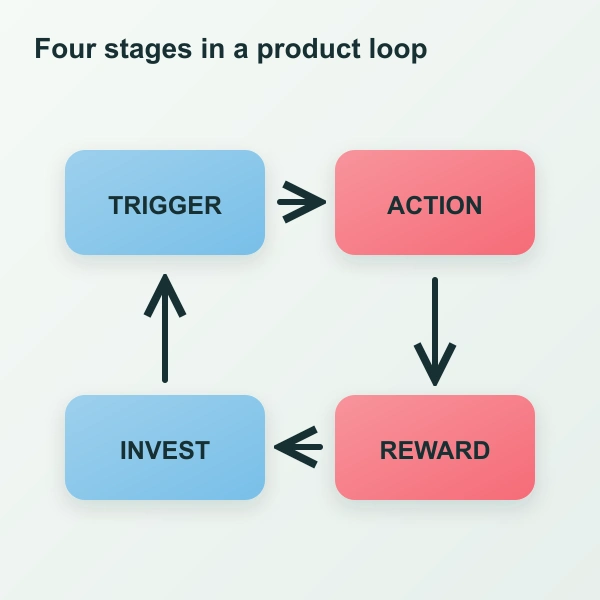
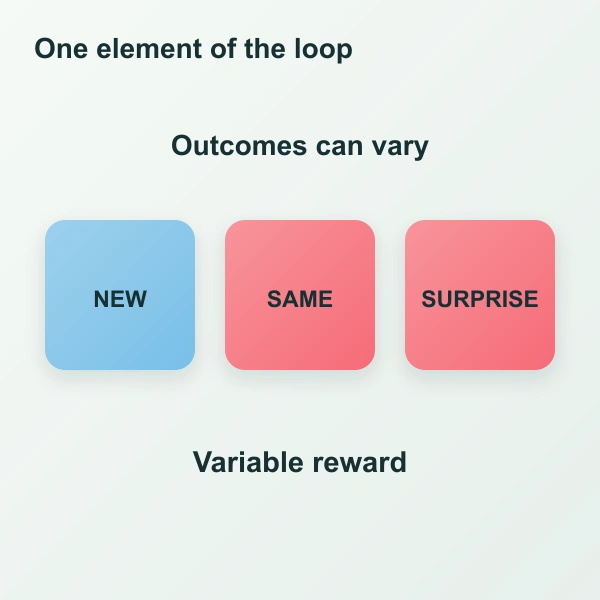
Hooked: How to Build Habit-Forming Products organizes its model around a trigger, an action, a variable reward and an investment. The book translates ideas about habit and engagement into advice for product designers.
Why this matters Understanding a product’s engagement goals can help people recognize what encourages them to return.
Cal Newport argues for protecting stretches of concentration for cognitively demanding work.
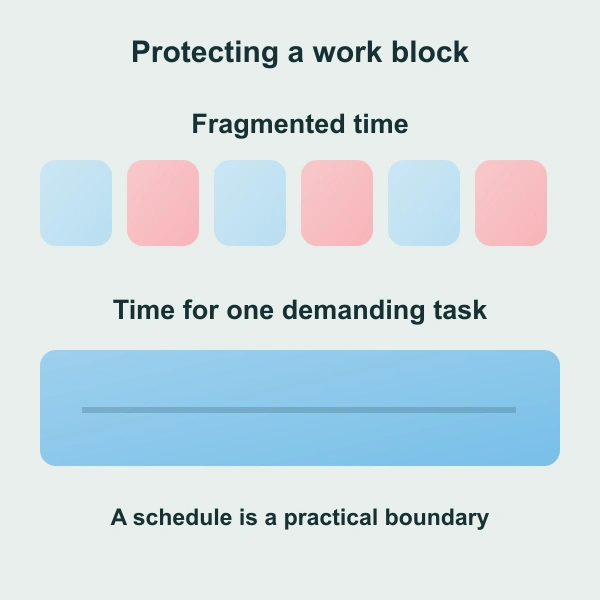


Deep Work distinguishes focused, demanding tasks from fragmented routine work and proposes schedules and rituals for protecting concentration. The book brings attention and interruption into a public discussion about how knowledge work is organised.
Why this matters Attention management includes the conditions around work: time, boundaries, interruptions and the concentration a task needs.
DeepMind’s AlphaGo combines neural networks and tree search to reach professional-level play in Go.

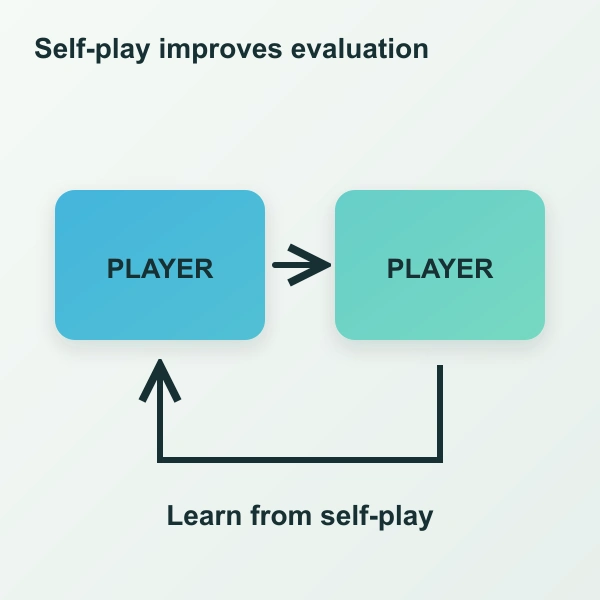
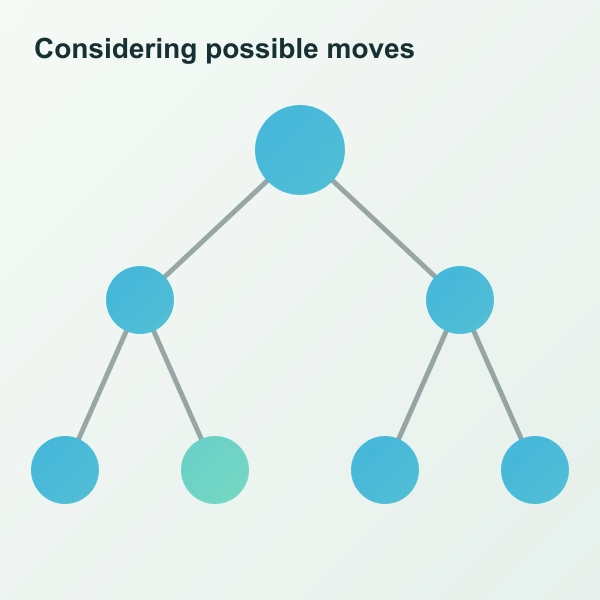
Mastering the game of Go with deep neural networks and tree search describes policy networks for choosing moves and value networks for evaluating positions. The paper reports a 5–0 result against European Go champion Fan Hui, using networks trained from expert games and self-play.
Why this matters A system can combine learned estimates with an explicit search through alternatives.
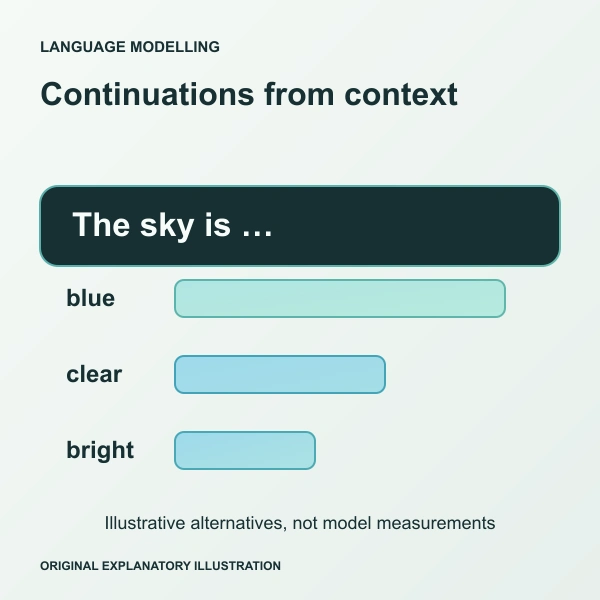
BERT pre-trains language representations using context on both sides of a word.
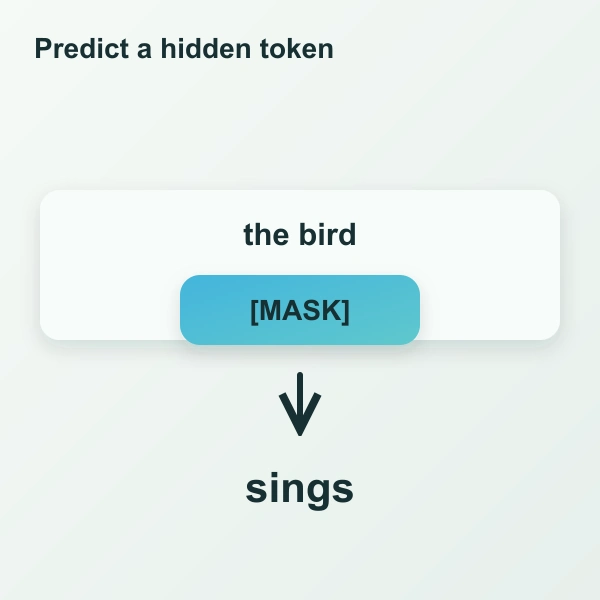
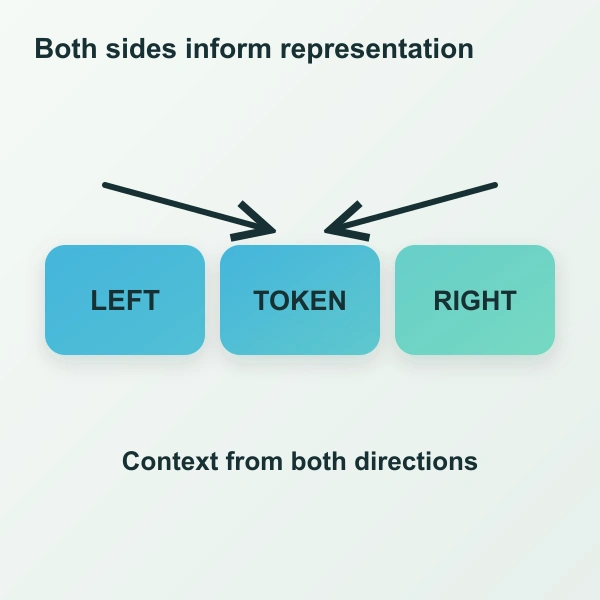
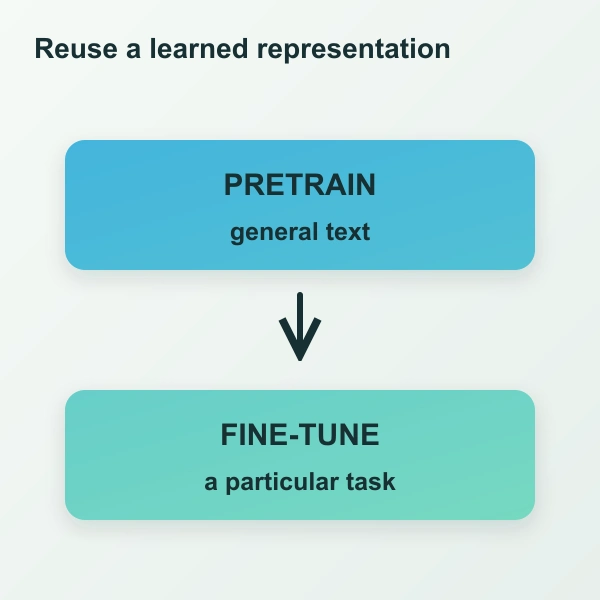
BERT: Pre-training of Deep Bidirectional Transformers for Language Understanding learns representations from unlabelled text using left and right context. The pretrained model can then be fine-tuned for tasks such as question answering and language inference.
Why this matters The context around a word contributes to how a language model represents it.
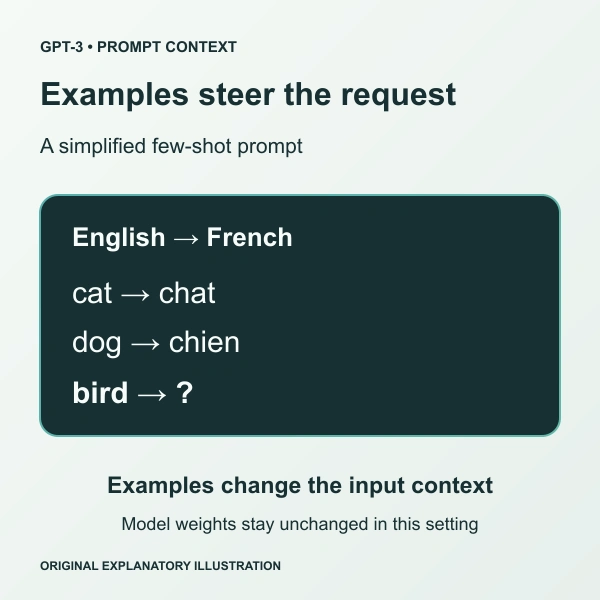
GPT-3 shows how a large language model can respond to tasks described through instructions and examples in its input.
Language Models are Few-Shot Learners evaluates GPT-3 across tasks using text prompts with demonstrations. In this setting, examples change the input context without updating the model’s weights.
Why this matters Examples and instructions become a practical part of how people steer a model.
Latent diffusion models generate images through a learned compressed representation instead of working only in pixel space.

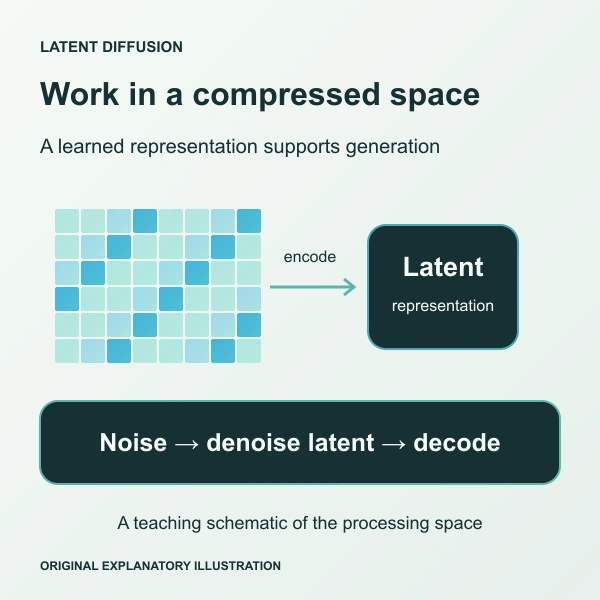
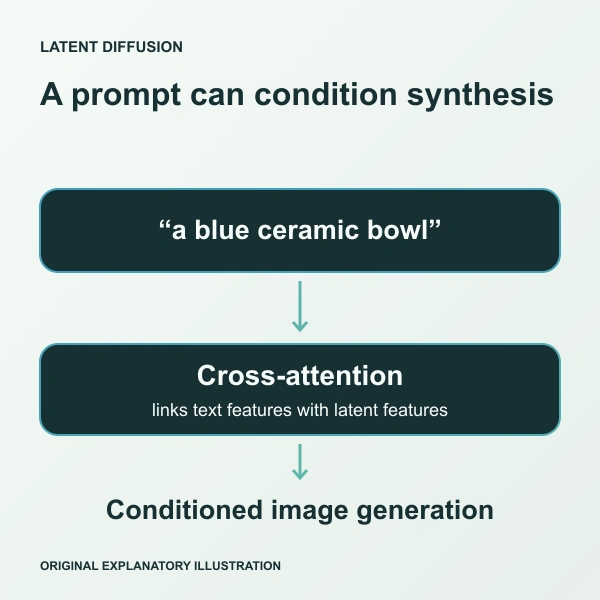
High-Resolution Image Synthesis With Latent Diffusion Models moves the diffusion process into a learned representation of images. Cross-attention lets generation be conditioned on text and other inputs. The CVPR 2022 paper builds on a preprint first posted in December 2021.
Why this matters A written prompt becomes a control over image synthesis, alongside a model’s learned representations.
Gloria Mark brings research on technology use, attention switching and stress to a general readership.

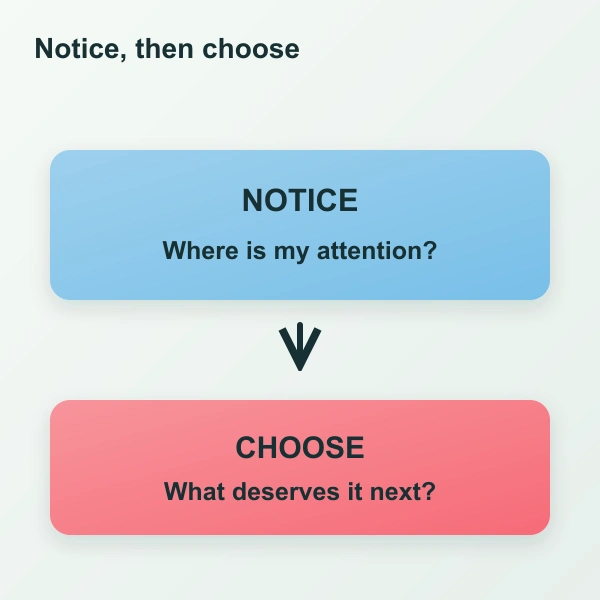
Attention Span synthesizes Mark’s field research on people using computers and phones in everyday settings. The book examines interruptions, changing patterns of screen engagement and the rhythms of focused work and breaks.
Why this matters Attention management includes the work setting and its rhythms, alongside an individual’s intentions.
Part of the main development: Conversational and multimodal AI.
OpenAI introduces GPT-4 and publishes evaluations of a model that can process text and images.

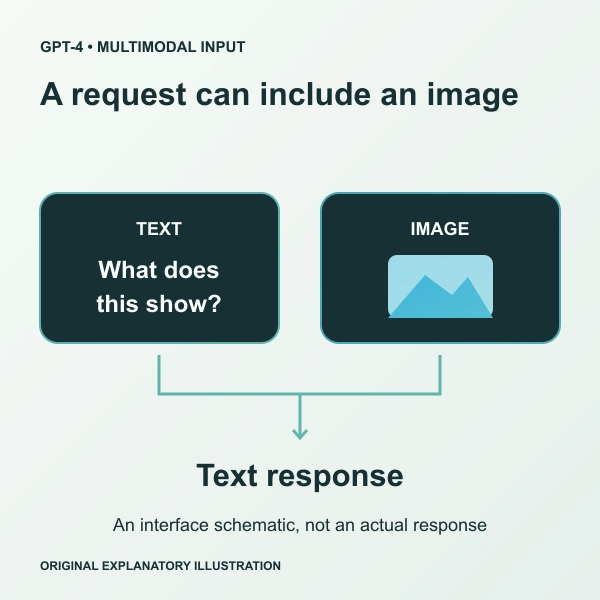
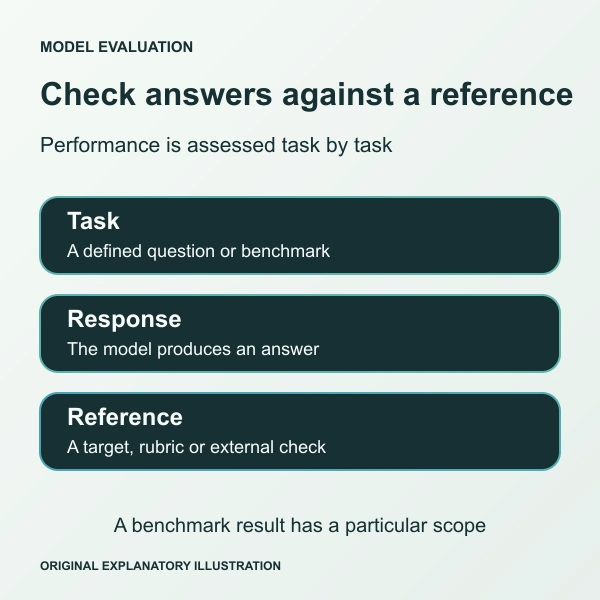
GPT-4 is introduced as a model accepting text and image inputs and producing text. The accompanying technical report describes pretraining, post-training and benchmark evaluations, alongside limitations.
Why this matters An image can become part of a request, making the interpretation of shared context more important.
Part of the main development: Conversational and multimodal AI.
OpenAI introduces GPT-4o as a model trained across text, vision and audio for more immediate interaction.

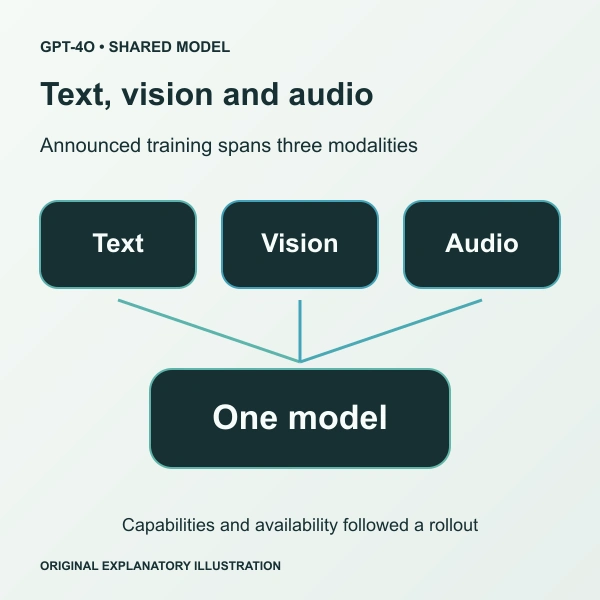
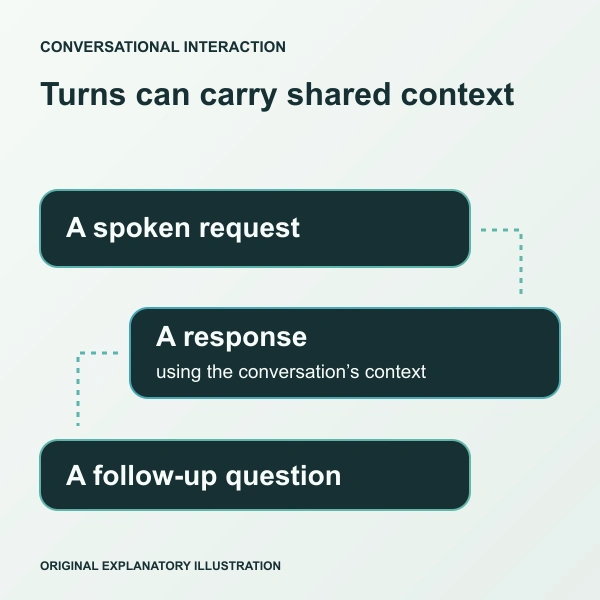
Hello GPT-4o describes one model trained across text, vision and audio. It presents voice and visual interaction with shorter response times. The May 2024 announcement describes a staged rollout beginning with text and image input and text output.
Why this matters Voice and visual input change how people make requests and share context.
The European Union’s AI Act enters into force, establishing a risk-based framework for AI governance.
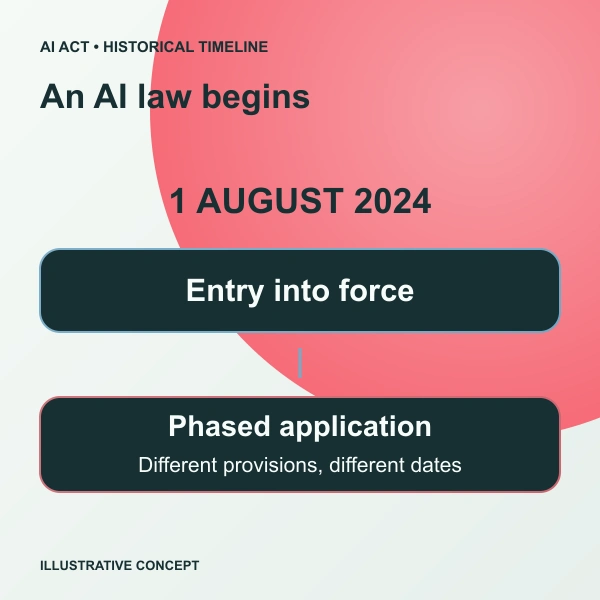
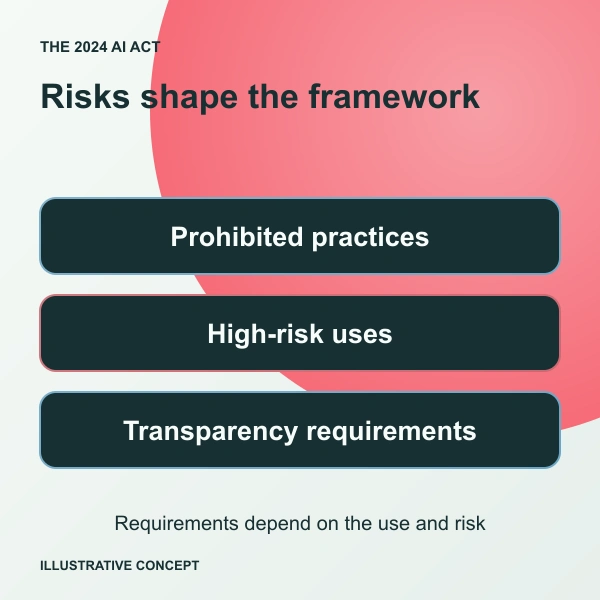
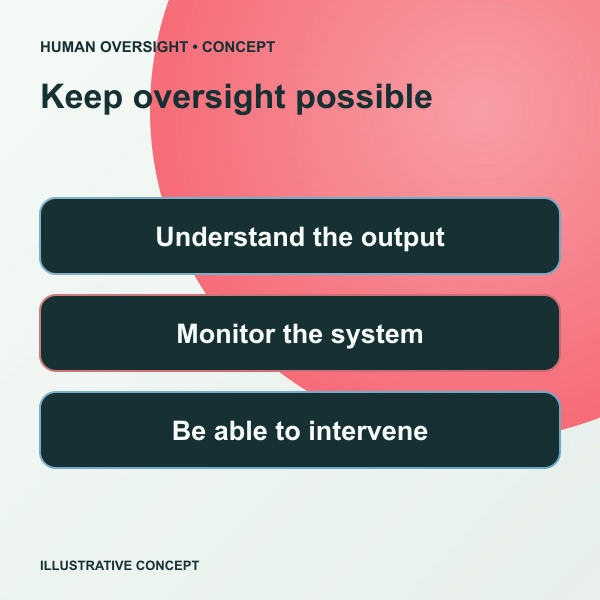
AI Act enters into force records the law’s entry into force on 1 August 2024. The framework addresses AI systems and general-purpose AI models, with requirements organized around risks and uses. Application of its provisions is phased rather than simultaneous.
Why this matters Transparency and human oversight become questions for governance as well as interface design.
OpenAI introduces o1-preview, a model trained to use additional computation on difficult reasoning problems.
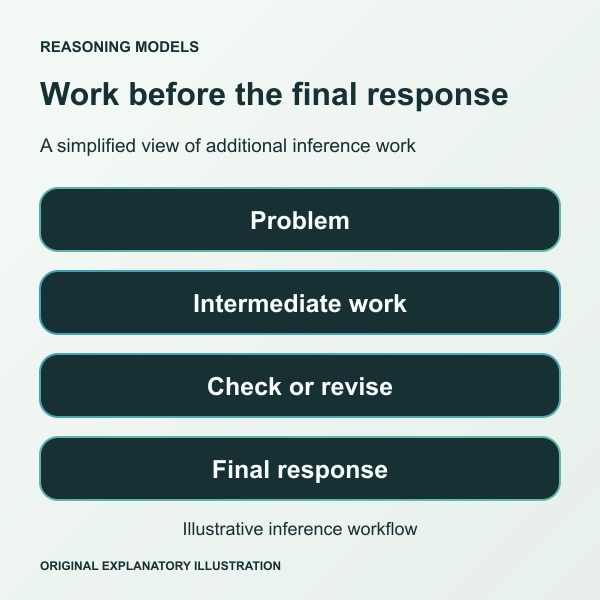
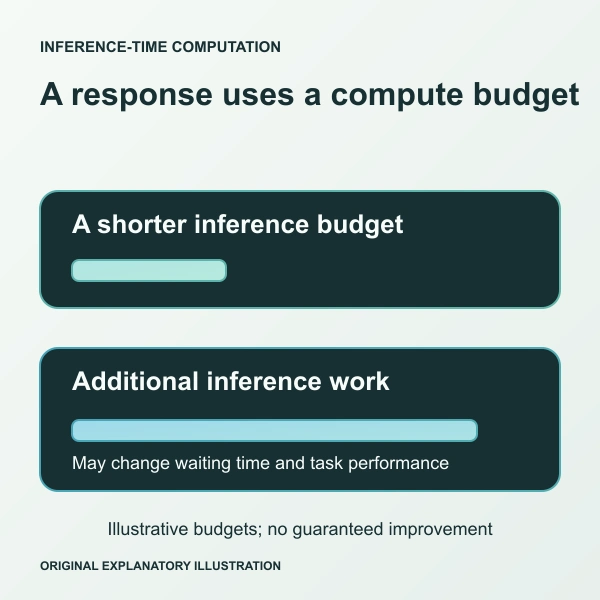
Introducing OpenAI o1-preview describes reinforcement learning that encourages intermediate reasoning before a final answer. The release focuses on tasks in mathematics, science and coding.
Why this matters A response can involve a trade-off between waiting time and the computation used to produce it.
Anthropic introduces an open protocol for connecting AI applications with data sources and tools.
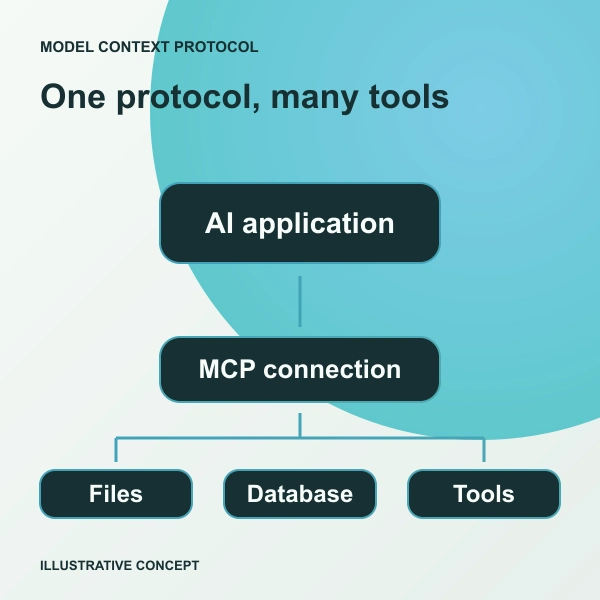
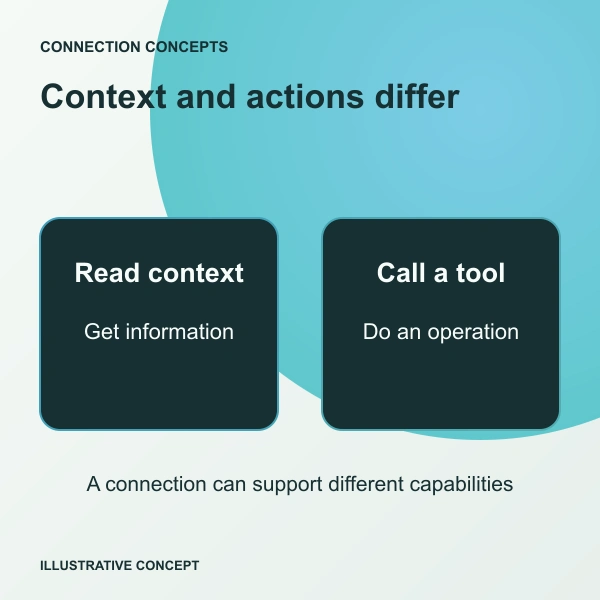
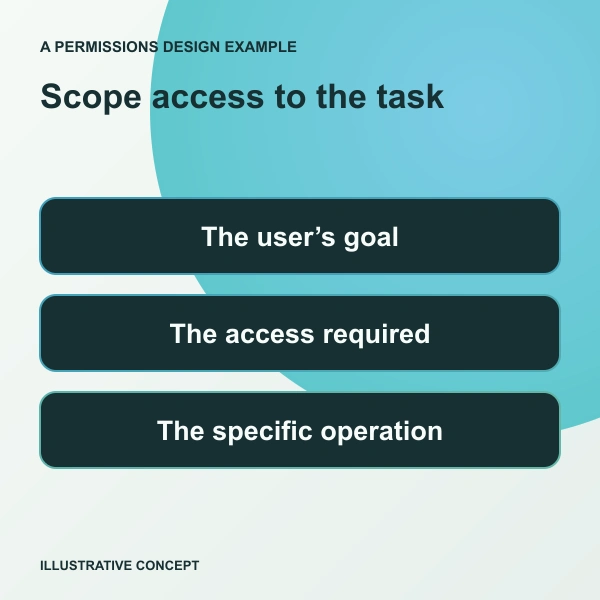
Introducing the Model Context Protocol describes a shared interface between AI applications and servers that expose data or tools. Its client–server design lets compatible connections be reused instead of rebuilding every integration separately.
Why this matters Connections and permissions shape what an assistant can see and do.
DeepSeek releases R1 and smaller distilled models with publicly available weights.

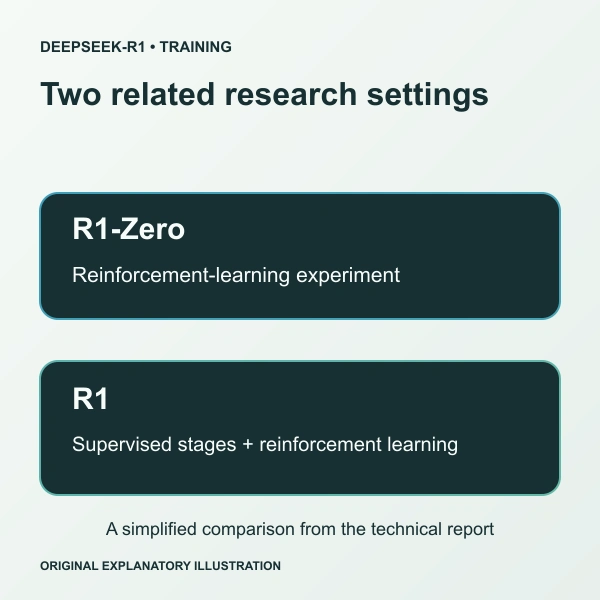
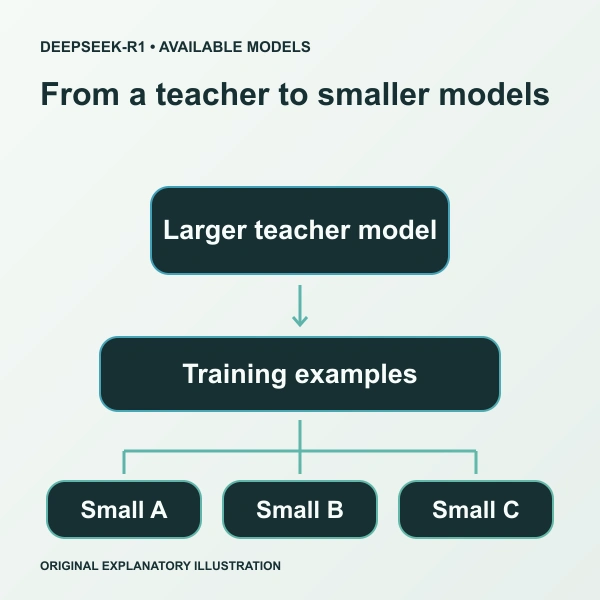
DeepSeek-R1 Release makes model weights available and links a technical report on reinforcement learning for reasoning. The report distinguishes R1, which combines reinforcement learning with supervised training stages, from the R1-Zero experiment trained without initial supervised fine-tuning.
Why this matters Access to model weights broadens the ways researchers can compare, adapt and deploy systems.
A Microsoft and Carnegie Mellon study surveys how knowledge workers describe critical thinking when using generative AI.
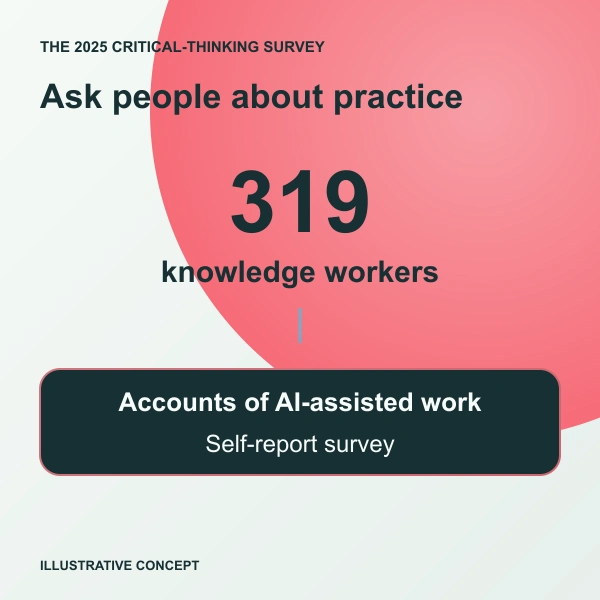
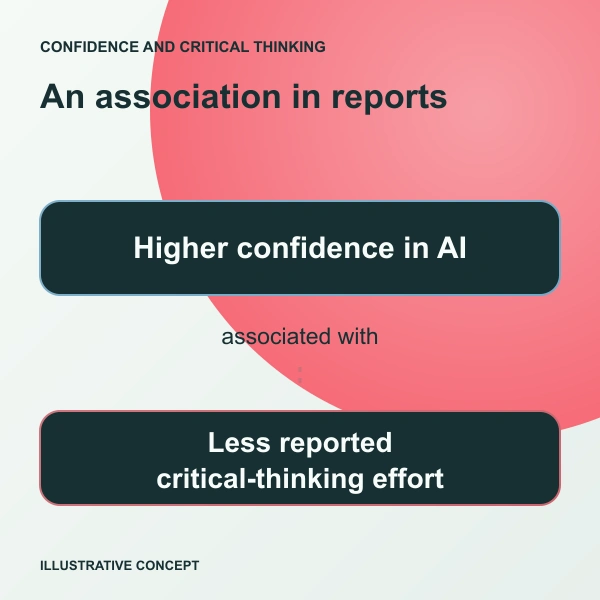
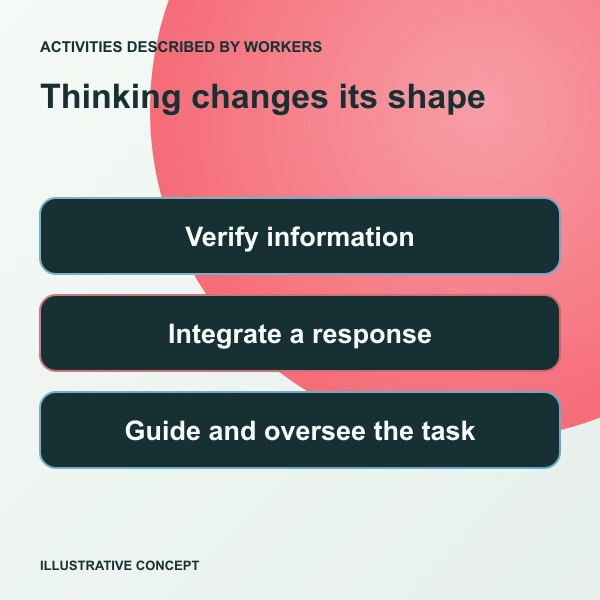
The Impact of Generative AI on Critical Thinking surveys 319 knowledge workers about their own work practices. Higher confidence in AI is associated with less reported critical-thinking effort, while the work of checking and integrating responses remains important. The findings describe self-reported practices and associations.
Why this matters Confidence in an answer and the work of evaluating it deserve separate attention.
Judy Hanwen Shen and Alex Tamkin test how AI assistance affects learning an unfamiliar programming library.
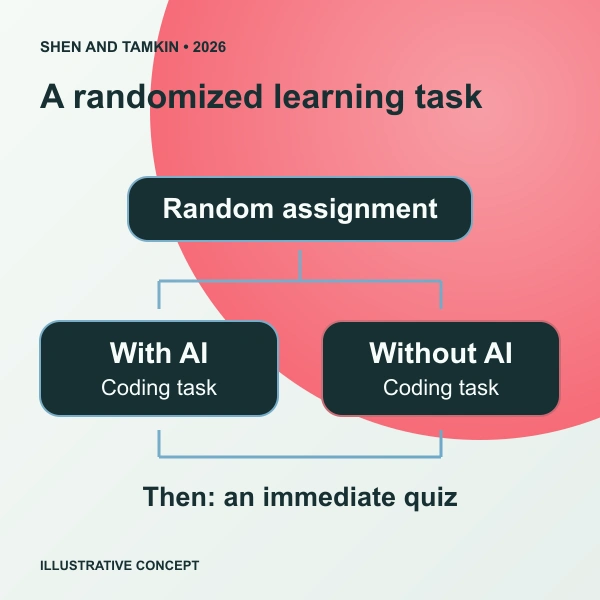
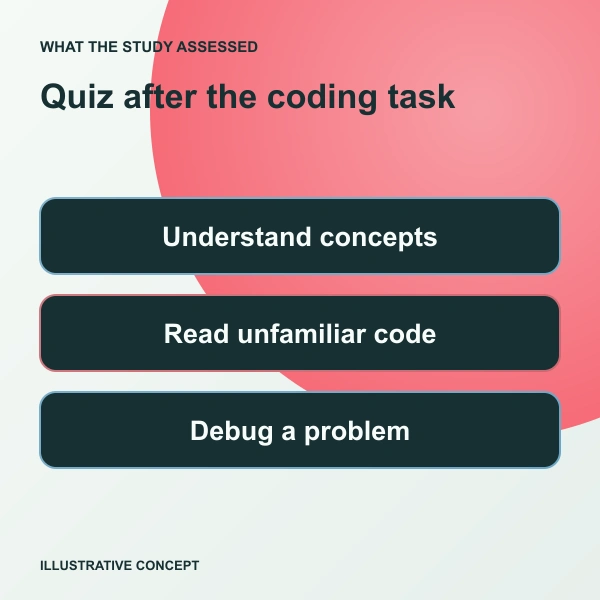
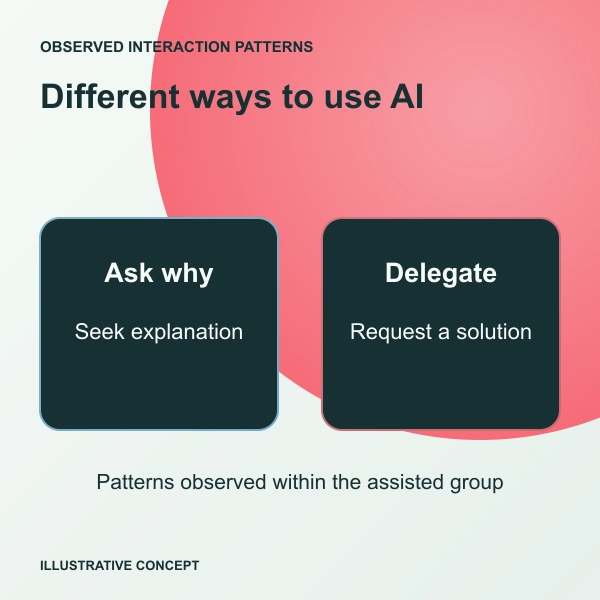
How AI Impacts Skill Formation randomly assigns developers to learn with or without AI assistance. In this task, the assisted group scores lower on a subsequent comprehension quiz, while the average time difference is not statistically significant. The assessment measures learning shortly after the task.
Why this matters Using assistance while learning requires attention to what the learner actually practises.
An international expert group synthesizes research on general-purpose AI capabilities, risks and risk management.



International AI Safety Report 2026 reviews advances in general-purpose models and evidence about misuse, malfunctions and loss of control. It compares approaches to risk management and identifies where evidence remains limited. The report provides a shared assessment to support policy decisions.
Why this matters Deployment decisions need evidence about capabilities and the practical limits of oversight.
Foundational works and later syntheses, including popular books. Their publication dates do not establish when an underlying idea was discovered.
Ludwig Wittgenstein
English–German editionAnne M. Treisman and Garry Gelade
Lisanne Bainbridge
Gloria Mark, Daniela Gudith and Ulrich Klocke
Paul Covington, Jay Adams and Emre Sargin
Ashish Vaswani and colleagues
Jacob Devlin, Ming-Wei Chang, Kenton Lee and Kristina Toutanova
Saleema Amershi and colleagues
Tom B. Brown and colleagues
Robin Rombach, Andreas Blattmann, Dominik Lorenz, Patrick Esser and Björn Ommer
OpenAI
DeepSeek-AI and colleagues
Judy Hanwen Shen and Alex Tamkin
Yoshua Bengio and the international writing group
Choose a numbered account to read a short summary and selected further reading. Account numbers match the citations in the historical overview. Further-reading numbers refer to the full bibliography.
Encyclopedia overview
Thagard surveys cognitive science as a meeting point for psychology, neuroscience, linguistics, philosophy and AI. He explains how experiments and computational models investigate the mind, compares approaches including rules, neural networks and Bayesian models, and discusses challenges to treating cognition mainly as representation and computation.
Personal historical review
Miller looks back on the emergence of cognitive science in the 1950s, when psychology, linguistics and computing increasingly addressed shared questions about the mind. His account describes the move beyond behaviourism and the collaborations that followed; it is a participant’s historical perspective rather than a single experimental finding.
Museum chronology
The Computer History Museum’s illustrated chronology follows computing through relay machines, electronic computers, commercial systems and personal devices. Individual entries explain what particular machines made possible and who developed them, offering historical context for changes in information processing without implying that technical progress alone explains changes in human attention.
Historical synthesis
Stanford’s 2016 AI100 report traces AI from early ideas about computation and machine intelligence through symbolic reasoning, neural networks, expert systems and data-driven learning. It explains how different approaches rose, encountered limitations and combined, providing historical context for AI’s development rather than evidence that machine and human intelligence are equivalent.
Institutional history
CERN recounts how Tim Berners-Lee developed the Web to help scientists share information, beginning with his 1989 proposal and the first browser and server. The account follows early software releases, wider browser adoption and open standards, showing how a research communication project became a widely shared information system.
Philosophy and methodology overview
This encyclopedia entry compares approaches that study linguistic patterns, language in social and cognitive activity, and abstract grammatical principles. It examines disagreements about evidence, explanation and language acquisition, helping readers understand why linguistic theories differ. Its focus is the philosophy of linguistic science rather than a complete history of language research.
Theory and research review
Ryan and Deci review how social conditions can support or undermine motivation, self-regulation and well-being. Their self-determination framework centres on autonomy, competence and relatedness, distinguishing activity driven by interest or personally endorsed values from externally controlled behaviour. It presents a research-based account of motivation rather than a universal recipe for productivity.
Historical book chapter
Benjafield traces psychology’s emergence as an independent discipline through competing approaches to experience, behaviour and mental activity. He contrasts introspectionism, functionalism, behaviourism, Gestalt psychology, psychoanalysis and cognitive psychology, emphasizing that disagreements were not resolved by one final winning school and that researchers often adapt methods to the problem they study.
Research review
Mahowald and colleagues distinguish knowledge of linguistic patterns from the ability to understand and use language in the world. Drawing on language-model research and human neuroscience, they argue that strong performance on linguistic form does not by itself establish wider thinking abilities, and discuss systems that combine language models with other mechanisms.
Architecture and benchmark experiments
Vaswani and colleagues introduce the Transformer, a neural architecture that uses attention mechanisms without the recurrent or convolutional layers common in earlier sequence models. Their translation experiments report strong results with greater parallelization and lower training costs. Here, “attention” names a computational mechanism, not evidence of human-like awareness or attention control.
Museum exhibition
The museum’s Revolution exhibition places electronic computers within a much longer history of tools for calculation and information processing. Its objects and first-hand accounts connect devices such as the abacus, mechanical calculators and punched-card tabulators with later computers, showing that modern computing emerged through many inventions, practical needs and contributors.
Company product announcement
OpenAI’s July 2025 announcement describes a ChatGPT system that combines reasoning with browser, terminal and other tools to carry out multi-step tasks. It also describes user controls and risks when AI can act through software. This is a company’s account of a product launch, not independent evidence of its effectiveness.
Empirical self-report survey
Lee and colleagues surveyed 319 knowledge workers about generative AI use and critical thinking. Greater confidence in AI was associated with less reported critical-thinking effort, while greater confidence in one’s own ability was associated with more. The findings concern reported experiences and associations; they do not establish that AI causes lasting declines in thinking ability.
Annual evidence synthesis
Stanford’s 2025 AI Index brings together data on AI research, technical performance, investment, adoption, policy and public opinion. It helps place individual breakthroughs within broader trends, while showing that progress differs across tasks and measures. As an annual synthesis, it describes its reporting period rather than providing a live measure of AI capability.
The question running through it all
Human agency is our capacity to act intentionally and influence what happens. It depends on our circumstances and the support available to us, as well as our skills.
For unscatter, this raises a practical question: how can technology support people’s own goals and choices?